
Shopify customer retention is one of the most important growth levers for fashion stores that want to turn first-time buyers into loyal customers. While traffic and first-time conversions matter, long-term revenue depends on whether customers return after their first purchase.
Many Shopify fashion stores spend heavily on ads, influencer campaigns, and promotions to attract new shoppers. However, if most customers buy once and never return, the store becomes dependent on constant acquisition. This increases marketing costs and makes revenue less predictable.
That is why Shopify customer retention is one of the most important growth levers for fashion ecommerce brands. Retention focuses on turning first-time buyers into repeat customers, increasing customer lifetime value, and building stronger brand loyalty over time.
For fashion stores, loyalty is not created by discounts alone. It is built through product satisfaction, accurate sizing, clear communication, reliable delivery, and a strong post-purchase experience.
In this guide, you will learn:
- Why first-time buyers often do not return
- What Shopify customer retention means for fashion stores
- How to increase repeat orders after the first purchase
- Why size accuracy affects customer loyalty
- How post-purchase experience improves retention
- Which metrics help track repeat customer growth
What Is Shopify Customer Retention?
Shopify customer retention is the process of encouraging customers to buy again after their first order. It focuses on increasing repeat purchases, improving customer satisfaction, and extending the relationship between the customer and the brand.
A retention strategy includes more than email campaigns. It covers the full customer experience, including product quality, delivery, sizing, returns, personalization, support, and communication.
For Shopify fashion stores, retention matters because clothing purchases are rarely one-time needs. Customers buy for seasons, occasions, trends, wardrobe updates, and personal style changes. If the first purchase experience is strong, there is a clear opportunity to bring that customer back.
Customer retention is closely connected to repeat buying behavior. If you want to go deeper into this metric, our guide on how to increase Shopify repeat purchases explains how fashion stores can encourage customers to return, place more orders, and build stronger long-term revenue.
Why First-Time Buyers Matter More Than You Think
A first-time buyer is not just a completed order. It is the beginning of a potential customer relationship. If that customer has a positive experience, they may:
- Buy again
- Spend more time
- Recommend your store
- Leave reviews
- Trust future product drops
- Become less price-sensitive
However, if the first experience is poor, the opposite happens. The customer may return the product, ignore future emails, avoid your brand, or choose a competitor next time.
This is why the first purchase should not be treated as the end of the funnel. It should be treated as the beginning of retention.
Why Shopify Fashion Stores Struggle With Customer Retention
Fashion ecommerce has unique retention challenges. Unlike categories such as beauty, groceries, or subscriptions, clothing purchases involve more uncertainty. Customers must judge how a product will look, feel, and fit without trying it on. This creates several barriers to repeat purchases.
Poor First Purchase Experience
A weak first experience is one of the biggest reasons customers do not return.
This may include:
- Product not matching images
- Fabric feels different from what was expected
- Late delivery
- Poor packaging
- Lack of order updates
- Difficult exchange or return process
When expectations are not met, customers lose confidence.
Wrong Size or Poor Fit
Sizing is one of the most important retention factors in fashion ecommerce. If the product does not fit well, the customer may assume the brand is unreliable. Even if the return process is smooth, the emotional experience is still negative.
The customer may think:
- “This brand’s sizing does not work for me.”
- “I do not want to risk ordering again.”
- “It is easier to buy from another store.”
This directly reduces repeat orders. One reason first-time buyers hesitate to reorder is that clothing fit can feel unpredictable. Even when shoppers select the correct size, the final fit may still vary due to fabric, cut, and brand sizing differences. This is explained in more detail in our guide on why clothes don’t fit even when the size is right.
High Return Friction
Returns affect retention more than many store owners realize. A recent retail report noted that shoppers often check return options before buying, and poor return experiences can discourage future purchases. For fashion stores, returns are especially sensitive because sizing and fit issues are common. If the return process feels difficult, customers are less likely to come back.
No Post-Purchase Follow-Up
Many Shopify stores stop communicating after the order is delivered. This is a missed opportunity. Post-purchase communication helps maintain trust, collect feedback, encourage reviews, and guide customers toward the next purchase. Without follow-up, first-time buyers may simply forget the brand.
Lack of Personalization
Generic communication does not build loyalty. If every customer receives the same email, the same product suggestions, and the same offers, the experience feels transactional. Fashion shoppers respond better to relevant recommendations based on:
- Previous purchase
- Preferred category
- Size
- Style interest
- Browsing behavior
- Seasonal needs
Returns directly affect whether first-time buyers come back. When customers return products because of a poor fit, their trust in the brand decreases. Our guide on how to reduce size-related returns in fashion ecommerce explains how better sizing guidance can improve satisfaction and support repeat purchases.
The First Purchase Experience: The Foundation of Loyalty
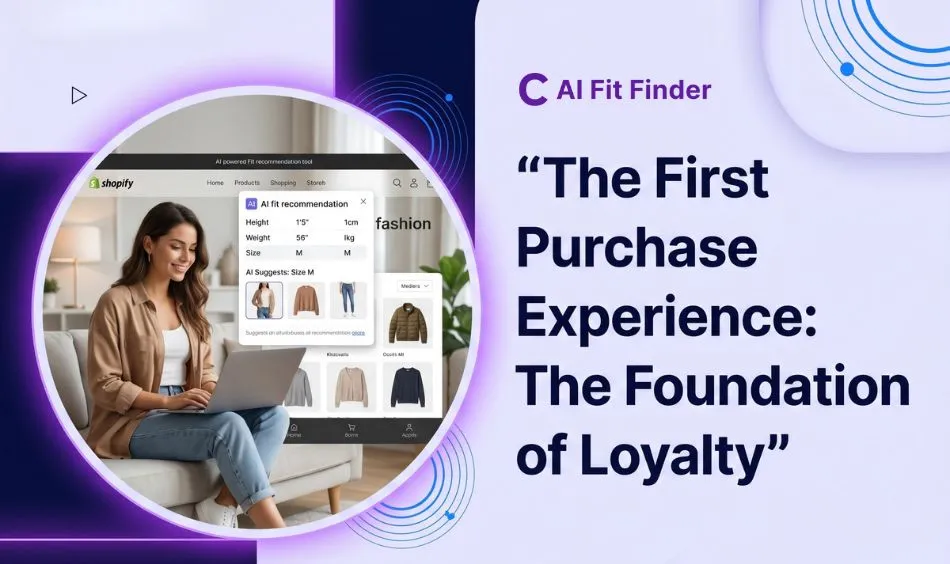
Customer loyalty starts before the second purchase. It starts with how the first order feels. A strong first purchase experience includes product accuracy, fit satisfaction, delivery reliability, and post-purchase confidence.
Product Accuracy
The product must match what the customer saw online.
This includes:
- Color
- Fit
- Fabric
- Length
- Styling
- Quality
- Product details
If the product looks different from the website images or description, trust drops immediately. Fashion customers need accurate expectations before purchase. Better product pages lead to fewer disappointments after delivery.
Delivery Experience
Delivery is part of the brand experience. Customers expect clear timelines, tracking updates, and reliable delivery. Delays are not always avoidable, but unclear communication makes them worse.
A simple delivery flow should include:
- Order confirmation
- Shipping confirmation
- Tracking details
- Delivery update
- Post-delivery follow-up
When customers feel informed, they feel more confident in the brand.
Packaging and Presentation
Packaging does not need to be expensive, but it should feel intentional. For fashion stores, packaging can influence perceived quality. A clean, branded, well-presented order creates a stronger impression than a careless delivery experience.
Good packaging can support loyalty because it makes the purchase feel more premium and memorable.
Fit Satisfaction
Fit satisfaction is one of the strongest drivers of repeat purchase behavior. When a customer receives the right fit, they gain confidence in your store. That confidence makes the next purchase easier.
A customer who knows their size works is far more likely to reorder than one who had to return or exchange the first product.
How Size Accuracy Turns First-Time Buyers Into Repeat Customers
Size accuracy is a key retention driver for Shopify fashion stores. Most generic customer retention blogs focus on loyalty programs, email marketing, and discounts. These are useful, but they do not solve one of fashion ecommerce’s biggest problems: fit uncertainty. If the first product does not fit, even the best loyalty program may not bring the customer back.
Fit Confidence Builds Trust
When customers receive a product that fits as expected, they trust the brand more.
This trust reduces hesitation during the next purchase. Instead of rechecking every measurement or worrying about returns, the customer feels more comfortable buying again.
Fewer Returns Improve Loyalty
Returns create friction. Even when a return policy is fair, customers still need to spend time repacking, shipping, waiting, or exchanging.
Fashion return rates are often higher than those of many other ecommerce categories, and return-related issues can directly affect customer satisfaction. Industry retention content also highlights that fashion tends to face higher return pressure than other sectors.
Reducing size-related returns improves the customer experience and increases the chance of repeat purchases.
Size Consistency Encourages Reordering
Customers return when they feel confident that future orders will fit. If sizing is inconsistent across products, customers hesitate. They may buy one item successfully but avoid trying another category because they are unsure if the same size will work. Consistent sizing across collections builds predictability. Predictability supports loyalty.
Size Guidance Reduces Purchase Risk
Size charts alone often require effort and interpretation.
Better size guidance includes:
- Fit notes
- Model size references
- Fabric stretch details
- “Runs small” or “true to size” labels
- Between-size recommendations
- Personalized size recommendation tools
This helps customers choose confidently and reduces the risk of dissatisfaction. A major reason customers lose confidence after the first purchase is clothing size inconsistency. When the same size fits differently across products or brands, customers become unsure about ordering again. Understanding this issue helps fashion stores fix the root cause of repeat purchase friction.
Proven Strategies to Turn First-Time Buyers Into Loyal Shopify Customers
Turning first-time buyers into loyal customers requires a structured approach. The goal is to improve the experience before, during, and after the first purchase.
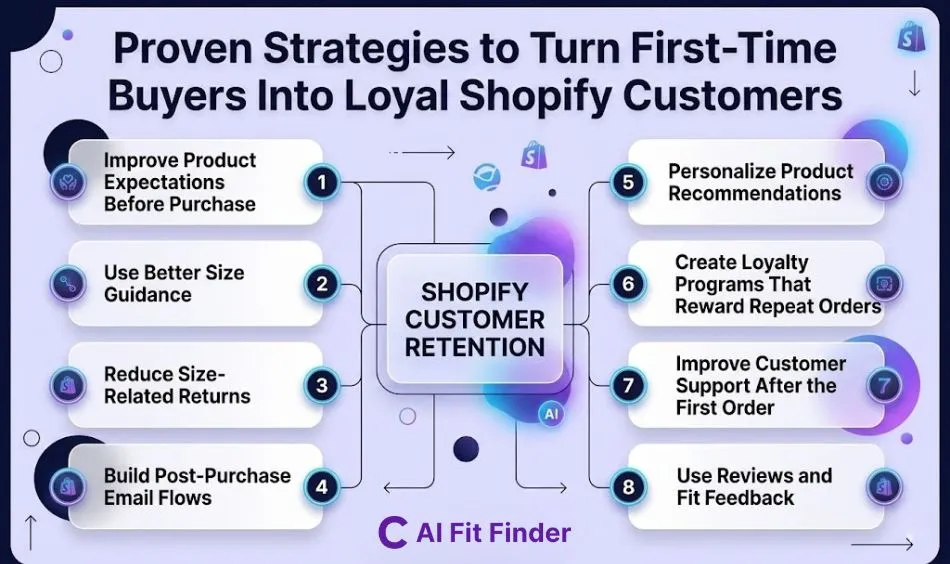
1. Improve Product Expectations Before Purchase
Retention starts before checkout. If customers know exactly what to expect, they are more likely to be satisfied after delivery.
Your product pages should clearly communicate:
- Fit type
- Fabric feel
- Stretch level
- Product length
- Model size
- Care instructions
- Styling suggestions
- Customer reviews
Fashion buyers need confidence. Product pages should answer the questions customers are already asking in their minds. For example, instead of saying:
“Premium cotton dress”
Write:
“Relaxed-fit cotton dress with light stretch, designed for everyday comfort. Model is 5’7” and wears size M.”
This gives shoppers practical decision-making information.
2. Use Better Size Guidance
Sizing should help customers make decisions, not force them to guess. Many stores provide a basic chart and assume the problem is solved. But customers may not measure themselves correctly. They may not understand measurement ranges. They may also be between two sizes.
Better size guidance should include:
- Product-specific sizing notes
- Fit descriptions
- Size-up or size-down guidance
- Model body reference
- Customer fit feedback
- Smart size recommendation tools
For Shopify fashion stores, improving size guidance can support both conversion and retention.
3. Reduce Size-Related Returns
Reducing returns is not only an operations goal. It is a retention strategy.
When customers avoid returns, their experience feels smoother. They feel more confident about the brand and are more likely to buy again.
To reduce size-related returns:
- Improve size accuracy
- Add clearer fit descriptions
- Show model size references
- Use customer fit reviews
- Track return reasons
- Identify products with high size-related returns
- Update product pages based on return feedback
Return data is one of the most valuable sources of customer insight. If a product receives repeated “too small” or “too large” feedback, the product page should be updated quickly.
4. Build Post-Purchase Email Flows
Post-purchase communication is one of the most effective ways to turn first-time buyers into repeat customers. Shopify’s customer retention guidance commonly highlights personalized emails, onboarding improvements, and customer communication as useful retention tactics.
A strong post-purchase email flow can include:
- Order confirmation
- Shipping update
- Delivery confirmation
- Product care tips
- Fit satisfaction check
- Review request
- Personalized product recommendation
- New arrival announcement
The goal is not to overwhelm customers. The goal is to maintain a useful relationship after the first purchase.
5. Personalize Product Recommendations
Personalization helps customers find the next relevant product faster.
For fashion stores, personalized recommendations can be based on:
- Previous purchase category
- Size selected
- Color preference
- Style preference
- Browsing behavior
- Seasonal trends
For example, if a customer buys a black midi dress, the next recommendation could include matching accessories, similar dresses, or jackets that pair well with it. Relevant recommendations increase repeat orders because they reduce browsing effort.
6. Create Loyalty Programs That Reward Repeat Orders
Loyalty programs can support retention when used correctly. They work best when the customer already likes the product experience. A loyalty program cannot fix poor sizing, bad quality, or weak support.
Effective loyalty programs may include:
- Points for purchases
- Rewards for reviews
- Early access to collections
- VIP tiers
- Birthday rewards
- Referral benefits
The key is to reward behavior without training customers to buy only when discounts are available.
7. Improve Customer Support After the First Order
Customer support plays a major role in retention.
A first-time buyer may contact support for:
- Fit questions
- Delivery concerns
- Exchange help
- Return policy clarification
- Product care questions
Fast, helpful support can turn a potential negative experience into a positive one. For fashion stores, support teams should be prepared to answer sizing and fit questions clearly. This builds trust and reduces frustration.
8. Use Reviews and Fit Feedback
Customer reviews help future buyers, but they also support retention. After a customer receives their order, ask for feedback about:
- Fit
- Comfort
- Fabric quality
- True-to-size experience
- Styling
- Delivery experience
Fit-based reviews are especially valuable because they help other shoppers make better sizing decisions.
Examples include:
- “Runs small”
- “True to size.”
- “Relaxed fit”
- “Size up if between sizes.”
- “Good stretch”
This creates a feedback loop that improves conversion, reduces returns, and supports repeat purchases.
Customer Retention Funnel for Shopify Fashion Stores
A strong retention system follows the customer beyond the first order.
| Stage | Goal | Optimization Focus |
| First Purchase | Convert buyer | Product clarity and size guidance |
| Delivery | Build trust | Tracking, packaging, communication |
| Post-Purchase | Maintain relationship | Follow-ups, reviews, product care |
| Second Purchase | Increase repeat orders | Recommendations and offers |
| Loyalty | Build long-term value | Personalization and consistency |
Most Shopify stores focus heavily on traffic and checkout. High-retention stores optimize the full journey.
How to Increase Repeat Orders Without Discounts
Discounts can drive short-term repeat purchases, but they do not always build loyalty. If customers return only because of discounts, your margins suffer, and your brand becomes price-driven.
What Builds Loyalty Instead?
Loyalty is built through:
- Accurate product expectations
- Consistent sizing
- Good fit experience
- Reliable delivery
- Helpful communication
- Relevant recommendations
- Strong product quality
Customers return when the first experience worked. Discounts may support retention, but they should not replace trust.
The Second Purchase System
To outrank generic competitor content, your retention strategy should include a clear second purchase system.
Step 1: Deliver the Right Product Experience
The first order must meet expectations. Product quality, sizing, delivery, and communication should all feel reliable.
Step 2: Capture Feedback After Delivery
Ask customers about fit, product satisfaction, and experience. This gives you useful data to improve retention.
Step 3: Recommend the Next Best Product
Use first purchase behavior to suggest relevant products.
For example:
- Dress buyer → matching accessories
- Jeans buyer → top or belt
- Activewear buyer → matching set
- Shirt buyer → new color or related style
Step 4: Reduce Friction for Reordering
Make it easy for customers to buy again.
Useful improvements include:
- Saved size preferences
- Personalized recommendations
- Easy account access
- Clear reorder options
- Fast checkout
Step 5: Build Loyalty After Satisfaction
Once customers are satisfied, introduce loyalty rewards, VIP access, or referral benefits. This timing matters. Loyalty programs work better after trust is created.
Metrics to Track for Shopify Customer Retention
You cannot improve retention without measuring it.
Repeat Purchase Rate
Repeat purchase rate shows how many customers buy again after their first order.
Formula:
Repeat Purchase Rate = Returning Customers ÷ Total Customers × 100
This is one of the most important metrics for Shopify fashion stores.
Customer Lifetime Value
Customer lifetime value measures the total revenue generated by a customer over time. Higher CLV means customers are buying more often or spending more per order.
Time Between Purchases
This shows how long it takes customers to return. If the gap is too long, you may need stronger post-purchase flows, better recommendations, or seasonal campaigns.
Return Rate
High returns often signal product expectation or sizing issues.
Track return rate by:
- Product
- Category
- Size
- Reason
- Customer segment
Revenue From Returning Customers
This shows how much of your revenue comes from existing customers. A healthy store should not rely only on first-time buyers.
RFM Analysis
RFM analysis segments customers by recency, frequency, and monetary value. It helps brands identify valuable customers, inactive buyers, and segments that need reactivation.
Common Mistakes That Stop First-Time Buyers From Returning
Focusing Only on Acquisition
Many Shopify stores spend most of their time and budget on new traffic. This creates a cycle of constant acquisition without building long-term customer value.
Sending Generic Post-Purchase Emails
Generic emails feel automated and forgettable. Retention emails should be relevant to the customer’s purchase, category, and likely next need.
Ignoring Fit Feedback
Fit feedback is one of the most valuable retention signals for fashion stores. If customers repeatedly mention sizing problems, product pages and size guidance should be updated.
Depending Too Much on Discounts
Discounts can help short-term sales, but they can also reduce brand value and margins. Customers should return because they trust the experience, not only because the price dropped.
Not Fixing Return Causes
If customers return due to fit, quality, or expectation gaps, loyalty campaigns alone will not solve retention. Fix the product experience first.
Tools That Help Turn First-Time Buyers Into Loyal Customers
Email Marketing Tools
Email tools help automate post-purchase flows, review requests, win-back campaigns, and product recommendations.
Loyalty and Rewards Tools
Loyalty tools help reward repeat purchases, referrals, and customer engagement.
Review and UGC Tools
Review tools collect social proof and fit feedback. This supports future buyers and builds trust.
Personalization Tools
Personalization tools help recommend products based on customer behavior and purchase history.
Size Recommendation Tools
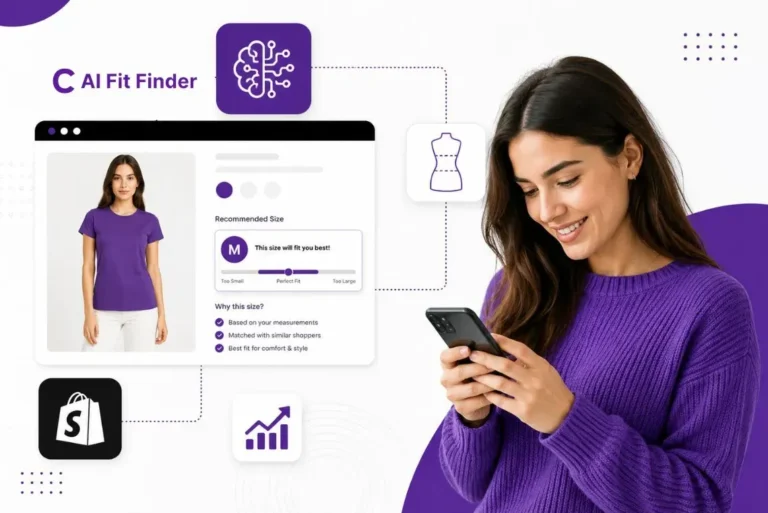
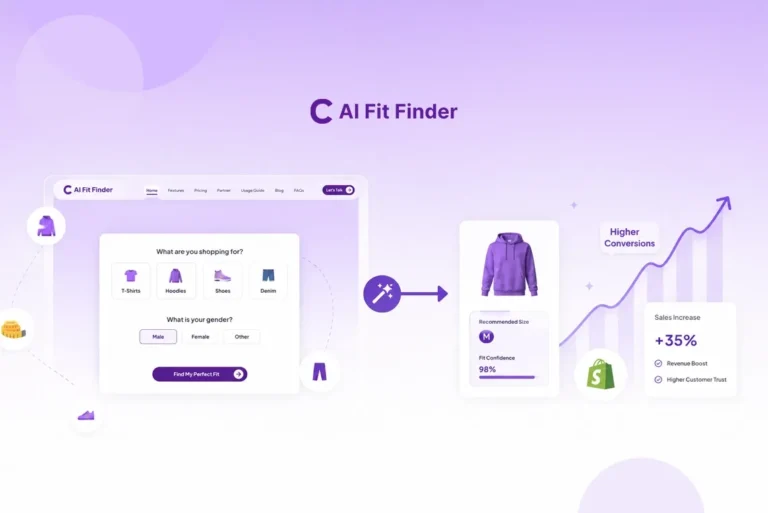
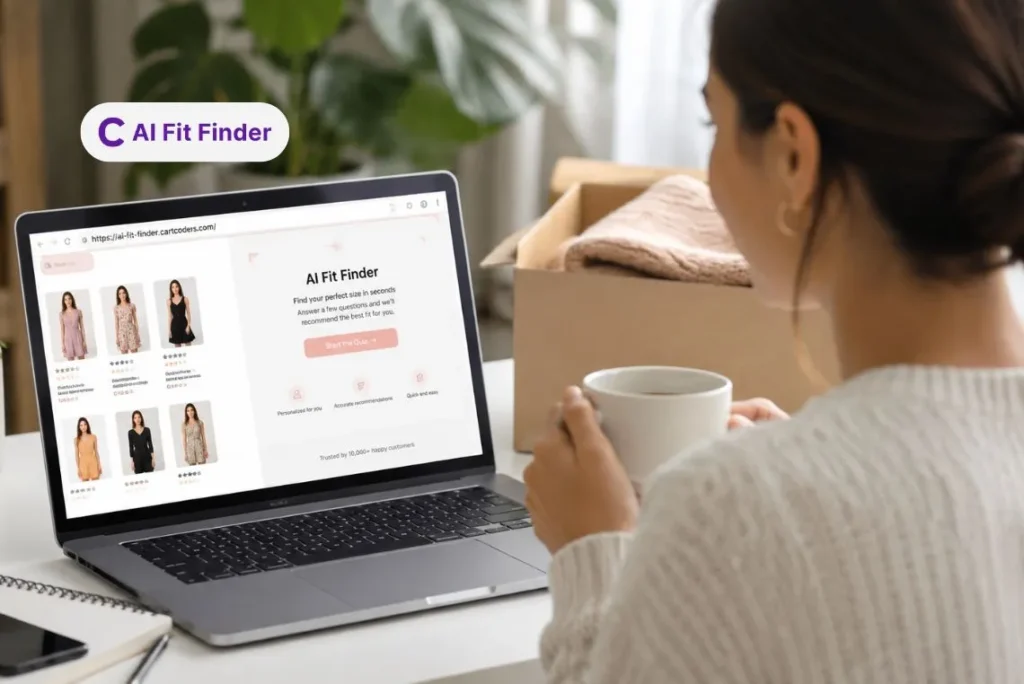
Size recommendation tools help customers choose the right fit before purchase. For fashion stores, this can reduce returns and improve first-order satisfaction.
Frequently Asked Questions
- What is Shopify customer retention?
Shopify customer retention is the process of encouraging customers to buy again after their first purchase. It focuses on increasing repeat orders, customer satisfaction, and long-term revenue.
- How do I turn first-time buyers into repeat customers?
Improve the first purchase experience, provide accurate product and sizing information, follow up after delivery, personalize recommendations, and reduce returns.
- What increases repeat orders on Shopify?
Repeat orders increase when customers trust product quality, sizing, delivery, support, and communication. Personalized recommendations and loyalty programs can also help.
- Why do Shopify customers not come back?
Customers often do not return because of poor fit, product disappointment, difficult returns, weak communication, or lack of brand connection.
- How does size accuracy improve customer loyalty?
Size accuracy improves loyalty by helping customers receive products that fit as expected. This reduces returns, builds trust, and makes future purchases easier.
- Are loyalty programs enough to increase retention?
Loyalty programs help, but they are not enough alone. Customers must first trust the product, fit, delivery, and brand experience.
- What is a good repeat purchase rate for Shopify fashion stores?
Repeat purchase rates vary by category, price point, product quality, and purchase frequency. The goal is to improve your store’s repeat purchase rate consistently over time.
Conclusion
Turning first-time buyers into loyal Shopify customers requires more than discounts or automated emails. It starts with the first product experience.
For fashion stores, retention depends heavily on product accuracy, size confidence, delivery reliability, post-purchase communication, and trust. If the first purchase feels easy and satisfying, customers are more likely to return.
A strong Shopify customer retention strategy should focus on reducing friction across the full journey. That means improving sizing, reducing returns, collecting feedback, personalizing recommendations, and staying connected after delivery. First-time buyers become loyal customers when the experience gives them a reason to come back.