
Customer acquisition is only one part of ecommerce growth. For Shopify fashion stores, long-term success depends on how many customers return after their first purchase.
Many stores generate traffic and conversions but struggle with retention. Customers buy once and never come back. This creates a cycle of continuous spending on ads without building sustainable revenue.
Repeat purchases solve this problem. When customers return, acquisition costs decrease, profit margins improve, and revenue becomes more predictable.
This guide explains how Shopify fashion stores can increase repeat purchases by improving customer experience, reducing friction, and building long-term trust.
What Are Shopify Repeat Purchases?
Repeat purchases refer to customers who place more than one order on your Shopify store.
Repeat Purchase Rate Formula
Repeat Purchase Rate = Returning Customers ÷ Total Customers × 100
This metric helps measure how effectively your store retains customers after the first purchase.
Why Repeat Purchases Matter for Shopify Growth
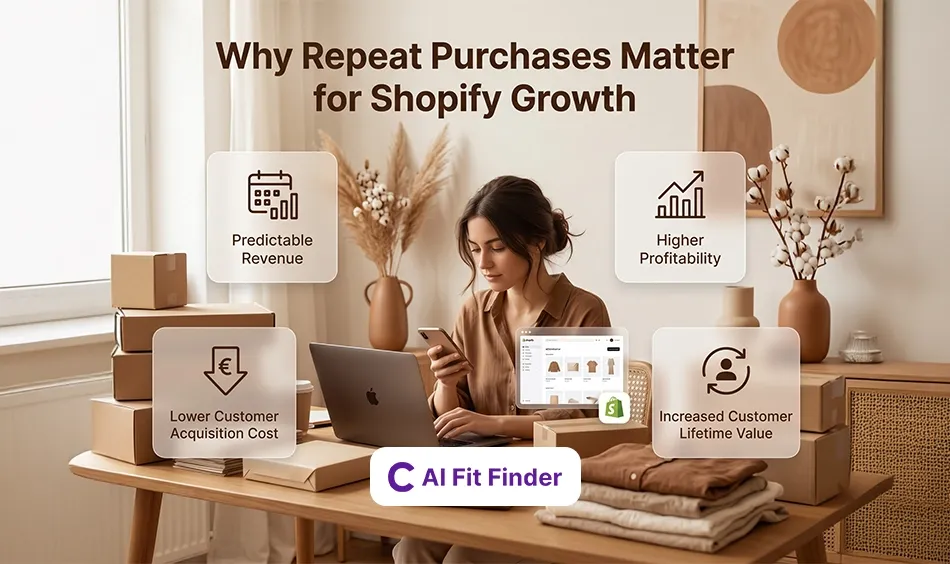
Lower Customer Acquisition Cost
Acquiring a new customer is more expensive than retaining an existing one. Repeat customers reduce overall marketing costs.
Higher Profitability
Returning customers are more likely to purchase without heavy discounts, improving margins.
Increased Customer Lifetime Value
Each additional purchase increases the total revenue generated per customer.
Predictable Revenue
Retention creates consistent sales instead of relying only on new traffic.
What Is a Good Repeat Purchase Rate?
Repeat purchase rates vary based on brand positioning, pricing, and product type.
| Store Stage | Repeat Purchase Rate |
| New Stores | Lower |
| Growing Brands | Moderate |
| Established Brands | Higher |
Rather than comparing numbers alone, focus on improving your rate consistently over time.
Why Fashion Stores Struggle With Repeat Purchases
Poor First Purchase Experience
If the first experience does not meet expectations, customers are unlikely to return.
Size and Fit Issues
Incorrect sizing is one of the biggest reasons customers do not reorder.
High Return Rates
Returns create friction and reduce trust in the brand.
Lack of Engagement
Many stores do not follow up with customers after the purchase.
The Real Reasons Customers Don’t Return
Inconsistent Sizing
Customers avoid brands where sizing feels unreliable.
Product Mismatch
Differences between product images and actual items reduce trust.
Weak Brand Connection
Customers need a reason to remember and prefer your store.
Delivery and Service Issues
Late deliveries or poor support negatively affect the experience.
Proven Strategies to Increase Shopify Repeat Purchases
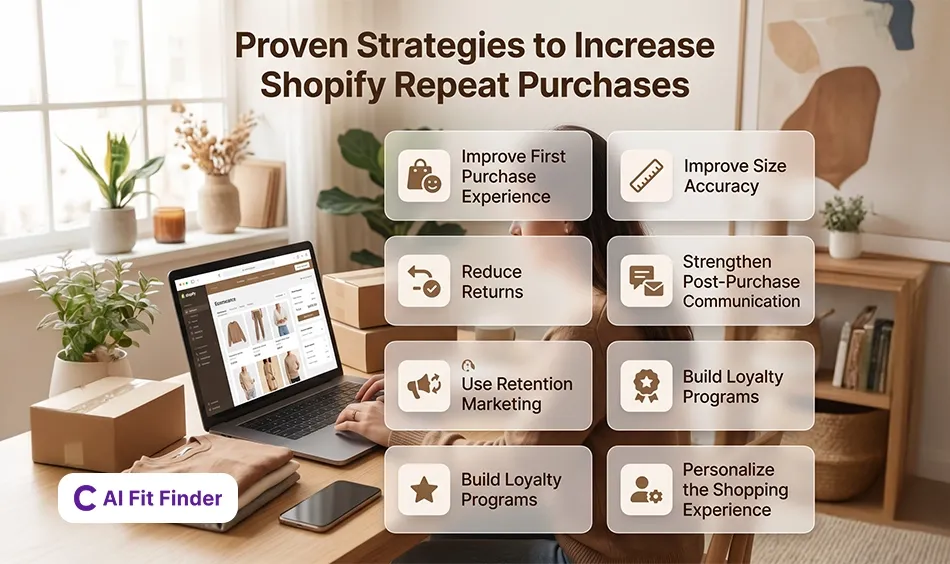
1. Improve First Purchase Experience
The first purchase sets expectations for future behavior. Focus on:
- accurate product presentation
- reliable delivery
- quality packaging
A strong first experience increases the likelihood of repeat orders.
2. Improve Size Accuracy
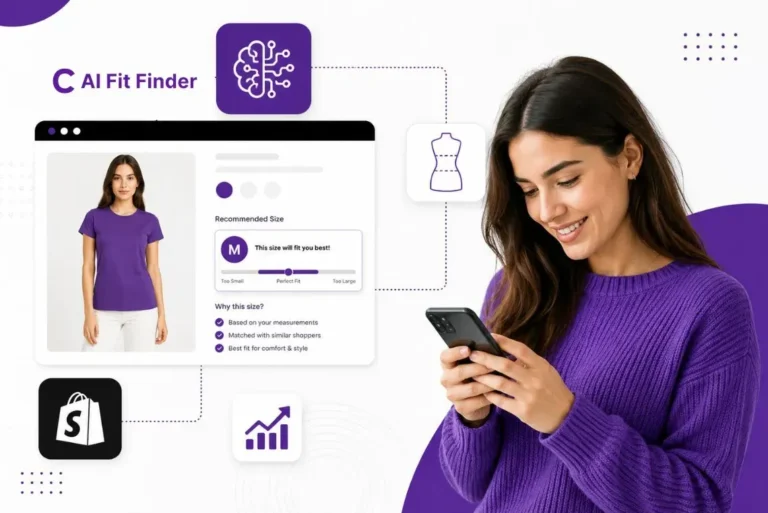
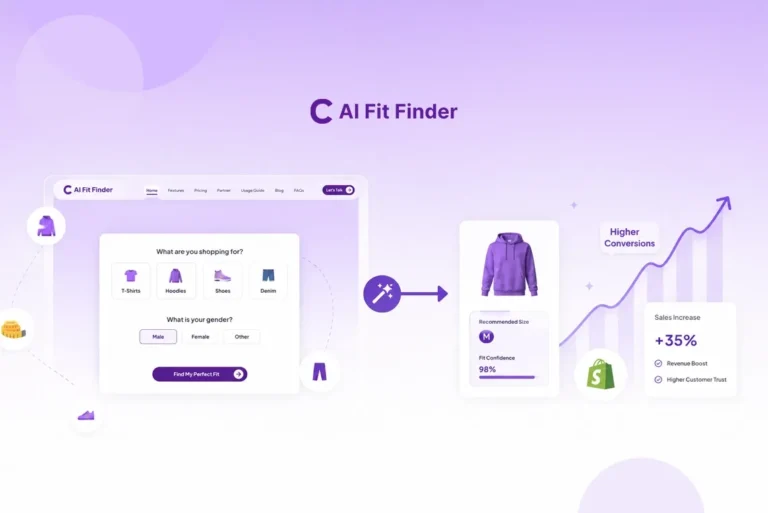
Sizing confidence is critical in fashion ecommerce. Clear size guidance, consistent sizing, and better fit information help customers choose correctly and feel confident purchasing again.
3. Reduce Returns
Returns reduce customer satisfaction and trust. Improving product clarity and sizing guidance helps reduce returns and improve retention.
4. Strengthen Post-Purchase Communication
Engagement should continue after checkout.
Effective communication includes:
- Order confirmation
- Delivery updates
- Follow-up messages
This keeps your brand top of mind.
5. Use Retention Marketing
Retention marketing encourages repeat purchases through:
- Email campaigns
- SMS notifications
- Product recommendations
These channels bring customers back at the right time.
6. Build Loyalty Programs
Loyalty programs reward repeat customers and encourage long-term engagement.
Examples include:
- Points-based rewards
- Exclusive offers
- Early product access
7. Personalize the Shopping Experience
Personalization improves relevance and engagement. Use customer data to show:
- Relevant products
- Previous purchase suggestions
- Tailored recommendations
How Size Accuracy Impacts Repeat Purchases
Size accuracy plays a critical role in retention.
Builds Trust
Customers are more likely to return when products fit as expected.
Reduces Purchase Risk
Confidence in sizing removes hesitation for future orders.
Improves Customer Satisfaction
A good fit leads to a better overall experience.
Encourages Repeat Behavior
Customers who trust sizing are more likely to buy again.
In fashion ecommerce, inconsistent product quality often goes hand in hand with sizing issues. As explained in How Clothing Size Inconsistency Increases Online Returns, even small variations can impact customer trust and retention.
The Shopify Retention Funnel
Understanding the customer journey helps identify improvement areas.
Traffic → Conversion → First Purchase → Product Experience → Customer Satisfaction → Repeat Purchase → Loyalty
Most stores focus only on the first stages. Retention requires optimizing the full journey.
Key Metrics to Track
Repeat Purchase Rate
Measures how many customers return.
Customer Lifetime Value
Tracks total revenue per customer.
Return Rate
Indicates product or sizing issues.
Purchase Frequency
Measures how often customers buy.
Common Mistakes That Reduce Repeat Purchases
Repeat purchases are not lost randomly. In most Shopify fashion stores, they drop because of gaps in customer experience, product clarity, and post-purchase engagement. Understanding these mistakes helps you fix the root cause instead of relying on short-term tactics.
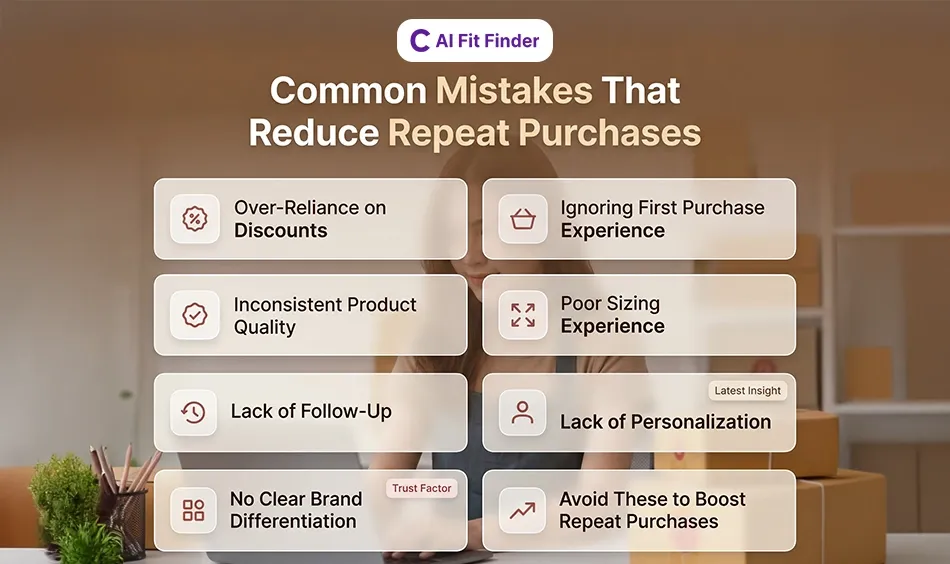
Over-Reliance on Discounts
Discounts can increase short-term sales, but they rarely build long-term loyalty.
When customers return only for offers:
- They become price-sensitive
- They delay purchases until the next sale
- Brand value weakens over time
From an industry standpoint, brands that rely heavily on discounts often see lower customer lifetime value and weaker retention consistency.
A more sustainable approach is to focus on:
- Product quality
- Fit confidence
- Brand trust
These factors drive repeat purchases without reducing margins.
Ignoring First Purchase Experience
Retention begins with the first order, not after it.
If the initial experience is confusing or disappointing, customers are unlikely to return. This includes:
- Unclear product expectations
- Delayed delivery
- Poor packaging
- Lack of communication
Top-performing fashion brands invest heavily in first-order experience optimization, including clear onboarding emails, accurate product representation, and reliable delivery timelines.
Inconsistent Product Quality
Customers expect consistency across orders.
If one product meets expectations but another does not, trust drops quickly. In fashion ecommerce, this often happens due to:
- Fabric variation
- Inconsistent stitching or finishing
- Differences between product images and actual items
Maintaining consistent quality standards across collections is critical. Brands that enforce strict product quality checks tend to see higher repeat purchase rates and stronger customer trust.
Poor Sizing Experience
Sizing issues are one of the biggest reasons customers do not return.
When customers receive a product that does not fit:
- They lose confidence in the brand
- They hesitate to reorder
- They associate the brand with risk
Research across fashion ecommerce consistently shows that size-related dissatisfaction is a leading cause of both returns and low retention. Sizing problems are one of the main reasons customers don’t return. As explained in Why Clothes Don’t Fit Even When the size is right, even correct size selection does not always guarantee a proper fit.
Improving sizing experience includes:
- Clear fit descriptions
- Model size references
- Consistent sizing across products
- Guided size selection tools
This reduces friction and builds confidence for future purchases.
Lack of Follow-Up
Many stores stop communicating after the order is delivered. This is a missed opportunity.
Without follow-up:
- Customers forget the brand
- Engagement drops
- Repeat purchases decline
Strong retention strategies include:
- Post-delivery check-ins
- Review requests
- Personalized recommendations
- Restock or reorder reminders
Consistent communication helps maintain a relationship beyond the first purchase.
Lack of Personalization
Generic shopping experiences limit repeat engagement.
Customers now expect:
- Relevant product recommendations
- Tailored communication
- Personalized offers
Brands using personalization strategies often see:
- Higher repeat purchase rates
- Increased customer satisfaction
- Better long-term retention
No Clear Brand Differentiation
If your store feels similar to others, customers have no reason to return. Fashion brands that retain customers successfully usually have:
- A clear identity
- Consistent product positioning
- Recognizable style or niche
Brand clarity builds familiarity, and familiarity drives repeat behavior.
Tools That Help Increase Repeat Purchases
Email Marketing Tools
Automate retention campaigns.
CRM Systems
Manage customer relationships effectively.
Personalization Tools
Improve product recommendations.
Size Recommendation Tools
Help customers choose the right fit.
Frequently Asked Questions
- What is the repeat purchase rate in Shopify?
The repeat purchase rate in Shopify is the percentage of customers who make more than one purchase from your store. It measures how well your business retains customers over time.
Formula:
Repeat Purchase Rate = Returning Customers ÷ Total Customers × 100
A higher rate indicates stronger customer loyalty and better long-term revenue potential.
- How to increase repeat purchases?
To increase repeat purchases, focus on improving customer experience and building trust. Key strategies include:
- Providing accurate product and sizing information
- Reducing returns and improving product quality
- Using email and SMS follow-ups
- Offering personalized recommendations
- Creating loyalty or rewards programs
Repeat purchases increase when customers feel confident and satisfied with their first order.
- Can I duplicate a product on Shopify?
Yes, Shopify allows you to duplicate products easily from the admin dashboard. This is useful when you want to create similar listings with small changes, such as different colors or variations.
Duplicating products helps save time and maintain consistency across your catalog.
- What is a repeat purchase?
A repeat purchase occurs when a customer buys from your store more than once. It is a key indicator of customer satisfaction and brand trust.
In ecommerce, repeat purchases are important because they increase customer lifetime value and reduce reliance on acquiring new customers.
- What is the rule of 40 in Shopify?
The rule of 40 is a business principle often used in ecommerce and SaaS. It states that a company’s growth rate plus profit margin should equal or exceed 40%. For Shopify stores, this means balancing revenue growth with profitability to ensure sustainable business performance.
Conclusion
Repeat purchases are essential for sustainable growth in fashion ecommerce. While traffic and conversions bring customers in, retention determines long-term success.
Improving product experience, ensuring accurate sizing, reducing returns, and maintaining engagement all contribute to stronger repeat purchase behavior.
Shopify fashion stores that focus on retention build more stable revenue, better customer relationships, and higher profitability over time.