
Shopify customer retention is one of the biggest growth challenges for fashion stores after the first purchase. Many stores successfully attract first-time buyers, but struggle to bring those customers back for a second order.
This happens because fashion shoppers do not judge a brand only at checkout. They remember the full first purchase experience: product fit, size accuracy, fabric feel, delivery, return process, and post-purchase communication. If the first order creates doubt, customers may not complain; they may simply never return.
Losing customers after the first purchase does not always mean your product is bad. In many cases, it means your store has weak retention touchpoints between the first order and the next purchase.
In this guide, you’ll learn:
- What Shopify customer retention means for fashion stores
- Why first-time buyers do not come back
- How size accuracy impacts repeat purchases
- Why returns affect customer loyalty
- How post-purchase experience improves retention
- Common mistakes that reduce repeat customers
- Metrics Shopify fashion stores should track
- How to improve customer lifetime value through retention
This guide is built for Shopify fashion store owners who want to turn first-time buyers into repeat customers and build long-term revenue from better customer experiences.
What Shopify Customer Retention Means for Fashion Stores
Shopify customer retention means keeping existing customers engaged and encouraging them to buy again from your store.
For fashion stores, retention is more complex than simply sending a discount email after the first order. Fashion is personal. Customers care about fit, comfort, style, fabric, color, sizing, delivery, and confidence. If one of these expectations fails during the first purchase, the chance of a second purchase drops.
A customer who buys once is not yet loyal. They are still testing your brand.
They are asking:
- Does this brand understand my size?
- Is the product quality consistent?
- Can I trust the sizing again?
- Was the delivery smooth?
- What happens if I need an exchange?
- Did the product look and feel like the website promised?
- Is this store worth buying from again?
If the answer is no, your retention problem begins. The first purchase is not only a transaction. It is a trust test. Retention is closely connected to Shopify customer lifetime value because every repeat order increases the total revenue a customer brings to your fashion store over time.
Why the First Purchase Experience Matters So Much
Many Shopify fashion brands focus heavily on acquisition. They invest in paid ads, influencer marketing, SEO, discounts, and social media campaigns to bring new visitors to the store.
But after the first order, the customer experience often becomes weak. This is a major issue because a poor first purchase experience affects:
- Repeat customers are Shopify stores’ lifeline
- Shopify repeat purchases
- Customer loyalty, Shopify brands want to build
- Shopify customer lifetime value
- Return rates and exchange rates
- Customer reviews and word-of-mouth
- Brand trust and future purchase confidence
The first order creates the customer’s memory of your brand. If the order fits well, arrives smoothly, and meets expectations, the customer is more likely to return. But if the item is uncomfortable, the size is wrong, the return process is difficult, or the brand disappears after delivery, the customer may move to another store.
Fashion customers have many choices. If your first experience creates doubt, they do not need to give you a second chance.
Top 10 Reasons Shopify Fashion Stores Lose Customers After the First Purchase
Here is a quick overview of the most common causes.
| Retention Problem | What the Customer Feels | Business Impact |
| Wrong size or poor fit | “This brand does not fit me.” | More returns, fewer repeat purchases |
| Confusing size chart | “I am not sure what to choose next time.” | Lower confidence and higher hesitation |
| Difficult return process | “Returning this is too much work.” | Lost trust and a negative experience |
| Weak post-purchase emails | “They only cared until checkout.” | Lower engagement after delivery |
| No personalization | “This store does not understand me.” | Fewer second purchases |
| Product mismatch | “This is not what I expected.” | More dissatisfaction and lower loyalty |
| Discount-only retention | “I will buy only if there is a sale.” | Lower margins and weak loyalty |
| Poor delivery updates | “I do not know what is happening.” | Anxiety and support requests |
| No feedback collection | “The brand does not care.” | Missed improvement opportunities |
| Ignoring size-related returns | “The same issue will happen again.” | Repeat return cycles |
Now let’s explore these in detail.
1. Poor Size Accuracy Breaks Customer Trust
Sizing is one of the biggest retention problems in fashion ecommerce. A customer may love your product design, but if the first order does not fit properly, they may not trust your store again.
This is especially true for categories like clothing, footwear, kidswear, activewear, ethnic wear, lingerie, jeans, and fitted apparel. The wrong size does more than create a return. It creates doubt. The customer thinks:
- “Should I size up next time?”
- “Is this brand’s sizing different?”
- “Will the next product fit the same way?”
- “Can I trust this size chart?”
- “Should I order two sizes next time?”
- “Maybe I should buy from another store.”
This hesitation directly affects Shopify customer retention. A generic size chart often does not solve the problem because customers do not only need measurements. They need confidence.
They want to know whether the product runs small, fits oversized, stretches, feels tight, suits their body type, or matches their usual size. For fashion stores, size accuracy Shopify improvements can help reduce friction before checkout and improve satisfaction after delivery. Better sizing guidance can include:
- Personalized size recommendations
- Fit notes on product pages
- Model height and size details
- Fabric stretch information
- Customer fit feedback
- Category-specific size guidance
- Footwear comfort notes
- Clear exchange instructions
- AI-based fit recommendation tools
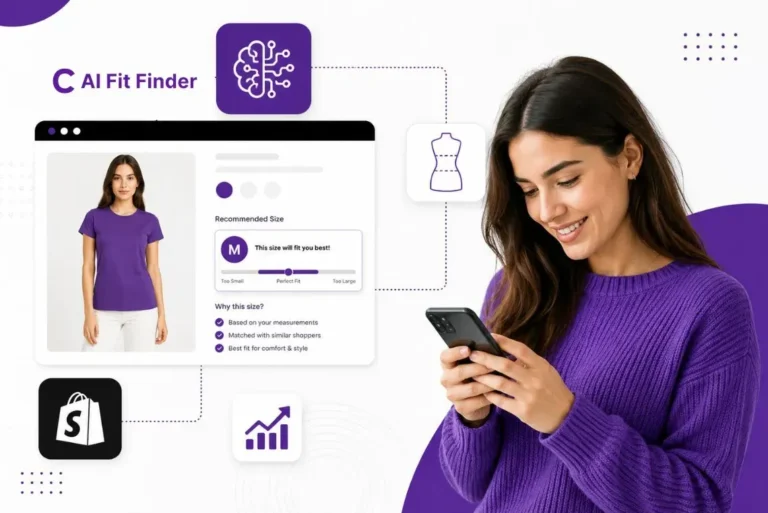
When customers receive the right fit the first time, they are more likely to trust the store again. This is why many fashion brands are now using an AI size recommendation for Shopify fashion stores to help shoppers choose the right size before checkout and reduce uncertainty during the buying journey.
2. Size Charts Alone Are Not Enough
Many Shopify fashion stores believe that adding a size chart is enough. But customers do not always understand size charts. Some shoppers may not know their exact measurements, while others compare your chart with another brand. In many cases, they are between two sizes or worried about fit, comfort, stretch, and body shape.
A size chart gives data. But it does not always give a decision. For example, a footwear customer may not only ask:
“What is my UK size?”
They may ask:
- Will this feel tight?
- Should I go half a size up?
- Is it comfortable for daily wear?
- Is this shoe narrow or wide?
- Can I wear it for long hours?
Similarly, an apparel customer may ask:
- Will this dress fit my waist?
- Is this shirt slim fit or relaxed fit?
- Does this fabric stretch?
- Will these jeans feel tight at the hips?
- Is this suitable for my body type?
If the store does not answer these questions, the customer guesses. And when customers guess, returns increase. More importantly, when the first guess goes wrong, repeat purchases drop.
This is why Shopify fashion stores should move beyond basic size charts and create a more guided size selection experience. A Shopify size recommendation app can guide customers with more personalized fit suggestions, making size selection easier than relying only on generic size charts.
3. Returns Can Damage Repeat Purchases
Returns are not always bad. A smooth return or exchange can actually protect the customer relationship. But a difficult return experience can make customers leave permanently.
For fashion ecommerce, returns often happen because of size, fit, color, quality, or expectation mismatch. If the customer feels the return process is confusing, slow, expensive, or unfair, they may decide not to buy again.
Common return experience problems include:
- Unclear return policy
- Hidden return charges
- Complicated exchange process
- Slow refund updates
- No size exchange guidance
- Poor customer support response
- No easy way to report fit issues
- No product improvement based on return reasons
A return is a critical retention moment. The customer is already disappointed. Your store’s response decides whether that disappointment becomes a lost customer or a saved relationship. One way to reduce size-related returns on Shopify is to improve size guidance before checkout, so customers feel more confident about their first purchase.
To reduce returns, Shopify fashion stores should not only improve the return process after delivery. They should also reduce preventable returns before checkout. That means improving size accuracy, product details, fit guidance, customer reviews, and expectation clarity before the order is placed.
4. The Product Does Not Match Customer Expectations
Fashion customers buy based on visuals and descriptions. If the product they receive looks or feels different from what they expected, they may not return. Expectation mismatch can happen because of:
- Over-edited product images
- Lack of real-life product photos
- Missing fabric details
- Unclear fit description
- No model size information
- Color difference between the image and the actual product
- Weak product descriptions
- No customer reviews
- No styling or usage guidance
This is especially important for first-time customers because they do not yet know your brand’s quality, sizing, fabric, or fit standards.
For returning customers, trust already exists. For first-time buyers, every detail matters. To improve the first purchase experience, Shopify fashion stores should make product pages more transparent. Useful product page improvements include:
- Add fabric composition
- Mention the stretch level
- Add fit type: slim, regular, relaxed, oversized
- Show model height and size worn
- Add customer review photos
- Mention whether the product runs small or large
- Add care instructions
- Add product videos
- Use clear size recommendation prompts
- Highlight exchange availability
The goal is simple: reduce surprise after delivery. The fewer negative surprises customers experience, the more likely they are to buy again.
5. Weak Post-Purchase Experience Makes Customers Forget the Brand
Many Shopify stores stop communicating after the order is delivered. That is a mistake. The post-purchase experience Shopify customers receive can strongly influence retention. After the first order, the customer should not feel ignored. They should feel supported, guided, and remembered.
A strong post-purchase experience can include:
- Order confirmation email
- Delivery updates
- Product care instructions
- Styling tips
- Fit feedback request
- Review request
- Exchange guidance
- Product recommendation email
- Loyalty program invitation
- Second-purchase offer
- Educational content based on product category
But the communication should feel helpful, not spammy. For example, if someone buys running shoes, the post-purchase flow can include care tips, comfort guidance, socks recommendations, and related footwear suggestions.
If someone buys a dress, the post-purchase flow can include styling ideas, fit feedback, accessories, and similar products. This makes the customer feel understood. Retention improves when customers feel the brand continues to support them after checkout.
6. No Personalization After the First Purchase
A first purchase gives your store valuable data. You now know what the customer bought, which size they selected, which category they prefer, what price range they accepted, and what style they liked. But many Shopify fashion stores do not use this data properly.
They send the same email to every customer. That weakens retention. Fashion personalization should be based on:
- Product category
- Customer size
- Fit preference
- Previous purchase
- Gender or audience segment
- Style preference
- Purchase frequency
- Return or exchange history
- Customer location
- Average order value
For example, if a customer bought women’s sneakers in size UK 6, the next recommendation should not show random products in unavailable sizes. It should show relevant footwear, socks, matching apparel, or similar styles with the right size available.
If a customer returned a product because it was too tight, the next recommendation should consider fit preference. Personalization helps make the second purchase easier. And the easier the second purchase feels, the stronger your Shopify repeat purchases become.
7. Discount-Only Retention Creates Weak Loyalty
Discounts can bring customers back, but they should not be your only retention strategy. If customers return only because of discounts, your store may face lower margins and weaker brand loyalty.
Fashion customers need more than price motivation. They need product confidence, consistent quality, easy sizing, strong service, emotional connection, and a reason to trust your brand again. Instead of relying only on discounts, build loyalty through:
- Better fit experience
- Early access to new collections
- Personalized product suggestions
- Loyalty points
- Style guides
- VIP customer segments
- Birthday rewards
- Referral rewards
- Helpful post-purchase content
- Fast exchanges
- Consistent product quality
Customer loyalty Shopify stores build should be based on trust, not only on offers. Discounts can support retention, but they cannot fix a poor first purchase experience.
If the product does not fit, the delivery is frustrating, or the return process is difficult, even a discount may not bring the customer back.
8. Poor Customer Support Reduces Trust
Customer support plays a major role in retention.
First-time buyers often need reassurance. They may ask about delivery, size exchange, return policy, product fit, or refund status. If support is slow or unhelpful, the customer experience becomes weaker. For fashion stores, support teams should be trained to handle:
- Size exchange questions
- Fit complaints
- Product expectation issues
- Return requests
- Delivery delays
- Refund updates
- Product care questions
- Repeat purchase recommendations
A support conversation can either save a customer or lose one. If a customer says, “The size does not fit,” the response should not only be a return link. The better response is to help them choose the right replacement size, explain fit differences, and make the exchange easy.
That kind of support improves retention because it shows the brand cares about solving the customer’s problem, not just closing the ticket.
9. The Store Does Not Ask for Feedback
If customers do not come back, you need to know why. Many Shopify fashion stores lose customers silently because they do not collect feedback after the first purchase. Feedback helps you understand:
- Was the size accurate?
- Did the product match expectations?
- Was the delivery smooth?
- Was the return process easy?
- Did the customer like the fabric?
- Did the fit feel comfortable?
- Would the customer buy again?
- What stopped them from returning?
You can collect feedback through:
- Post-purchase surveys
- Review requests
- Fit feedback forms
- Return reason forms
- Customer support tags
- Email surveys
- Loyalty program questions
- Product page review prompts
For fashion brands, fit feedback is especially valuable. It helps improve product pages, sizing guidance, future inventory planning, and customer recommendations. Retention improves when brands learn from the first purchase instead of treating it as a completed sale.
10. Stores Ignore Retention Metrics
You cannot improve what you do not measure. Many Shopify fashion stores track traffic, conversion rate, and sales, but do not track customer retention properly. Important Shopify customer retention metrics include:
| Metric | Why It Matters |
| Repeat purchase rate | Shows how many customers buy again |
| Returning customer rate | Shows the share of customers who come back |
| Customer lifetime value | Shows long-term revenue from each customer |
| Time between first and second purchase | Shows how quickly customers return |
| Product return rate | Shows product satisfaction issues |
| Size-related return rate | Shows sizing and fit accuracy problems |
| Exchange rate | Shows whether customers still want the product |
| Review rating after first purchase | Shows first-order satisfaction |
| Post-purchase email engagement | Shows customer interest after delivery |
| Customer support complaint themes | Shows repeated friction points |
For fashion stores, the size-related return rate is especially important. If many customers return products because of sizing, you do not only have a returns problem. You have a retention problem.
How to Improve Shopify Customer Retention After the First Purchase
Now that we have covered why customers leave, let’s look at how to keep them.
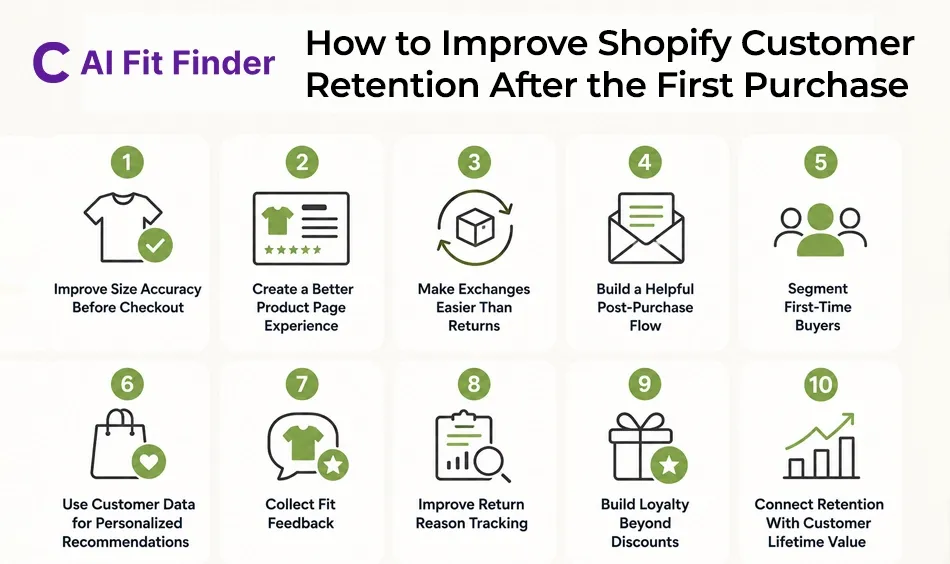
1. Improve Size Accuracy Before Checkout
Help customers select the right size before they buy. Use personalized size recommendations, clear fit notes, model sizing, customer reviews, and AI-powered size guidance. This reduces guesswork and improves trust.
2. Create a Better Product Page Experience
Your product page should answer customer doubts before checkout. Include fit, fabric, stretch, sizing, care, model details, product videos, and real customer reviews. The more clarity you provide, the fewer surprises customers face after delivery.
3. Make Exchanges Easier Than Returns
If the product does not fit, guide the customer toward the right exchange instead of losing the sale. A simple exchange process can protect revenue and save the customer relationship.
4. Build a Helpful Post-Purchase Flow
Do not only send promotional emails. Send useful content such as styling tips, care instructions, fit feedback requests, and relevant recommendations.
5. Segment First-Time Buyers
First-time buyers need a different journey from repeat customers. Create a specific first-purchase retention flow that builds trust, collects feedback, and encourages the second order.
6. Use Customer Data for Personalized Recommendations
Recommend products based on size, style, category, and previous purchases. Avoid sending random product suggestions that do not match the customer’s needs.
7. Collect Fit Feedback
Ask customers whether the product was true to size, too small, too large, comfortable, or difficult to fit. Use this feedback to improve product pages and size recommendations.
8. Improve Return Reason Tracking
Do not only track how many returns happen. Track why they happen. If sizing is the top return reason, fix the size selection experience.
9. Build Loyalty Beyond Discounts
Use loyalty points, VIP access, personalized offers, styling content, early product access, and referral rewards. Make customers feel valued, not just targeted.
10. Connect Retention With Customer Lifetime Value
Retention is not only about getting one more order. It is about increasing Shopify customer lifetime value over time. When customers trust your fit, product quality, and service, they are more likely to keep buying.
Where AI Fit Finder Fits Into Customer Retention
For Shopify fashion stores, retention starts before checkout. That may sound unusual, but it is true. The size decision a customer makes before checkout affects the entire post-purchase experience. If the item fits well, the customer feels confident. If it does not, the customer may return the product, contact support, lose trust, or avoid buying again.
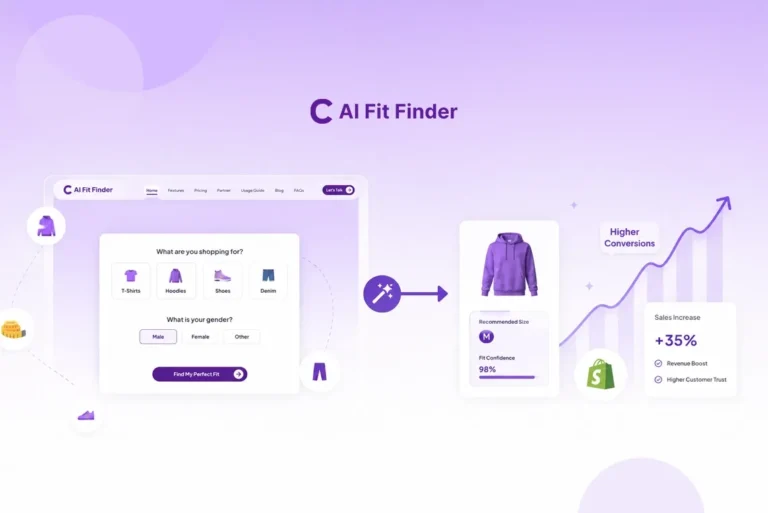
AI Fit Finder helps Shopify fashion stores improve size accuracy by guiding shoppers toward the right size before they place an order. This can support customer retention by helping stores:
- Reduce size-related returns
- Improve the first purchase experience
- Increase customer confidence
- Reduce size confusion
- Improve repeat purchase potential
- Build stronger trust after delivery
- Support customer lifetime value growth
The goal is not only to help customers buy. The goal is to help them buy the right size, feel satisfied after delivery, and trust your store enough to come back.
Common Mistakes That Reduce Shopify Customer Retention
Here are some mistakes fashion stores should avoid:
| Mistake | Better Approach |
| Only focusing on new customer acquisition | Build a repeat purchase strategy |
| Using generic size charts | Add personalized size recommendations |
| Ignoring return reasons | Analyze size, fit, and product issues |
| Sending only discount emails | Send helpful post-purchase content |
| Treating all customers the same | Segment first-time buyers |
| Making returns difficult | Make exchanges and returns simple |
| Not collecting fit feedback | Ask customers about size and comfort |
| Hiding product details | Add clear fit, fabric, and sizing information |
| Not tracking CLV | Monitor long-term customer value |
| Ignoring the first purchase experience | Improve the journey from the product page to delivery |
Small improvements in these areas can have a big impact on repeat customers that Shopify fashion stores want to build.
Frequently Asked Questions About Shopify Customer Retention
- Is 90% client retention good?
Yes, 90% client retention is very good. It means your business keeps 9 out of 10 customers. For Shopify fashion stores, this is a strong sign of customer loyalty, product satisfaction, smooth returns, and a good first purchase experience.
- Is Shopify still worth it in 2026?
Yes, Shopify is still worth it in 2026 for fashion stores because it offers ecommerce tools, apps, themes, checkout, analytics, and marketing integrations. However, success depends on improving conversion, retention, size accuracy, and repeat purchases.
- What are the 8 C’s of customer retention?
The 8 C’s of customer retention are customer experience, communication, consistency, convenience, customization, community, care, and commitment. For Shopify fashion stores, these help build trust and encourage customers to buy again after the first purchase.
- What is the retention rate in Shopify?
Shopify’s retention rate means the percentage of customers who continue buying from your store over time. There is no fixed retention rate for every Shopify store because it depends on industry, product type, pricing, customer experience, and repeat purchase cycle.
- Is 96% audience retention good?
Yes, 96% audience retention is excellent, especially for videos, ads, or content. However, audience retention is different from customer retention. Shopify fashion stores should focus on turning engaged audiences into repeat customers through better sizing, product experience, and post-purchase communication.
Conclusion
Shopify fashion stores do not lose customers only because of price, competition, or product variety. Many lose customers because the first purchase experience does not create enough trust. If the product does not fit, the size chart is confusing, the return process is difficult, or the brand does not communicate after delivery, customers may not come back.
To improve Shopify customer retention, fashion stores need to focus on the full first-order journey: product page clarity, size accuracy, delivery experience, post-purchase communication, returns, exchanges, personalization, and loyalty.
Retention starts before checkout. When customers feel confident about size, receive the right fit, and enjoy a smooth experience after delivery, they are more likely to become repeat customers. And that is how Shopify fashion stores can turn first-time buyers into loyal customers, increase repeat purchases, reduce returns, and improve customer lifetime value.