
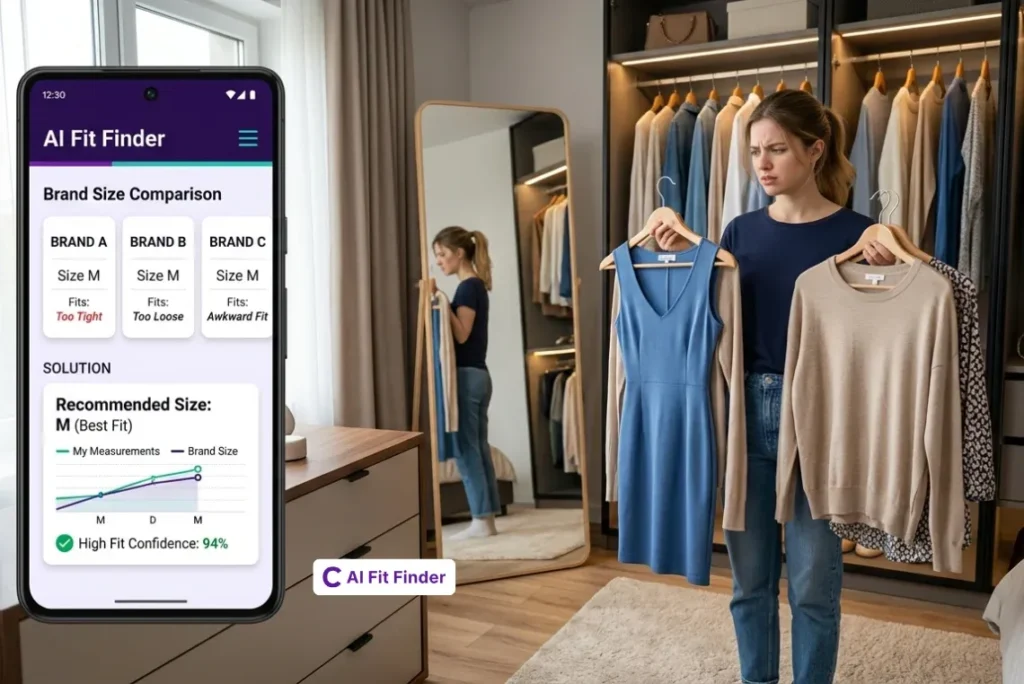
You pick your usual size. You check the label. You order confidently. But when the clothes arrive… they don’t fit. Too tight in one place. Too loose in another. Or just completely different from what you expected.
This is one of the most common frustrations in fashion, especially in online shopping. Many people assume that choosing the “right size” guarantees the right fit. In reality, size and fit are not the same thing.
Quick Answer:
Clothes may not fit even if the size is right because brands use different sizing systems, fabrics behave differently, and clothing is designed for various body shapes. Factors like vanity sizing, fit style, and garment construction also impact how clothes feel when worn.
Understanding why this happens can help you make better buying decisions, reduce returns, and improve your overall shopping experience.
What Does “Right Size but Wrong Fit” Actually Mean?
Size vs Fit: The Key Difference
- Size refers to the label (S, M, L, or numeric sizes like 8, 10, 12)
- Fit refers to how the clothing actually sits on your body
Two garments can have the same size but feel completely different because of how they are designed and constructed.
Why This Problem Is So Common Today
The issue has become more noticeable due to:
- growth of online shopping
- lack of standard sizing across brands
- changing fashion trends
Without trying clothes on, shoppers rely on labels and charts, which are not always accurate.
The Main Reasons Clothes Don’t Fit Even When the Size Is Right
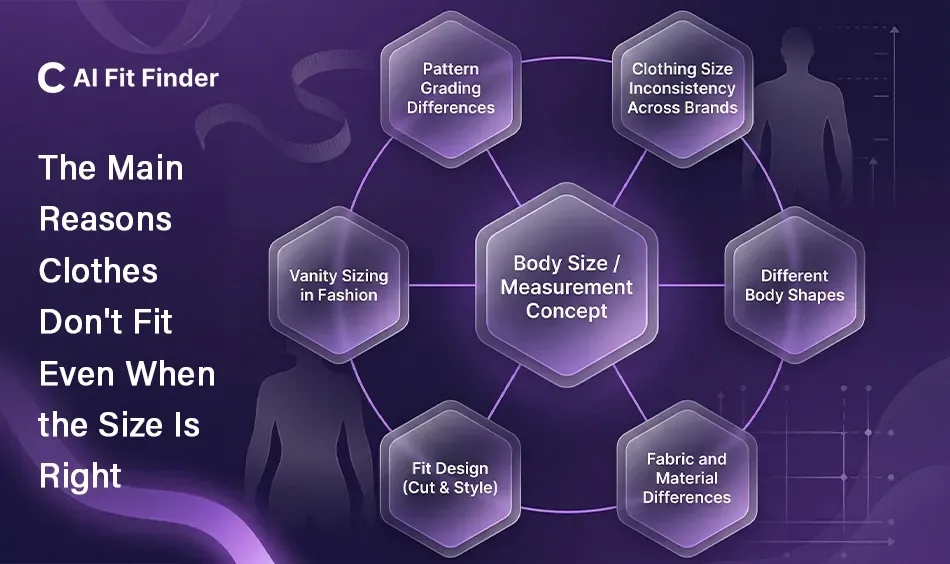
1. Clothing Size Inconsistency Across Brands
One of the biggest reasons clothes don’t fit is that sizing is not standardized. A size medium in one brand may have different measurements than a medium in another.
This happens because:
- Brands define their own size charts
- Fit models differ
- Target audiences vary
This is known as clothing size inconsistency.
Even if you choose the correct size, clothing may still not fit because different brands follow different sizing standards. This lack of uniformity creates confusion for shoppers. To understand this deeper, read our guide on why clothing sizes are so inconsistent and how it affects online shopping.
2. Different Body Shapes
Even if two people have the same measurements, their body shapes may differ.
For example:
- one person may carry more weight in hips
- another may have broader shoulders
Clothing is often designed for a specific body type, so it may not suit everyone equally.
3. Fabric and Material Differences
Fabric plays a major role in fit.
- Stretch fabrics adjust to your body
- Structured fabrics do not
A cotton shirt and a stretchy knit top in the same size will feel different.
4. Fit Design (Cut & Style)
Clothing is designed in different styles:
- Slim fit
- Regular fit
- Relaxed fit
- Oversized
Even if the size is correct, the design changes how the garment feels.
5. Vanity Sizing in Fashion
Vanity sizing means brands label clothes with smaller sizes than actual measurements.
This creates confusion because:
- size labels become unreliable
- expectations don’t match reality
6. Pattern Grading Differences
Pattern grading determines how sizes scale up or down.
Different brands use different grading systems, which leads to variation in:
- Length
- Width
- Proportions
Why Clothes Fit Differently in Online Shopping
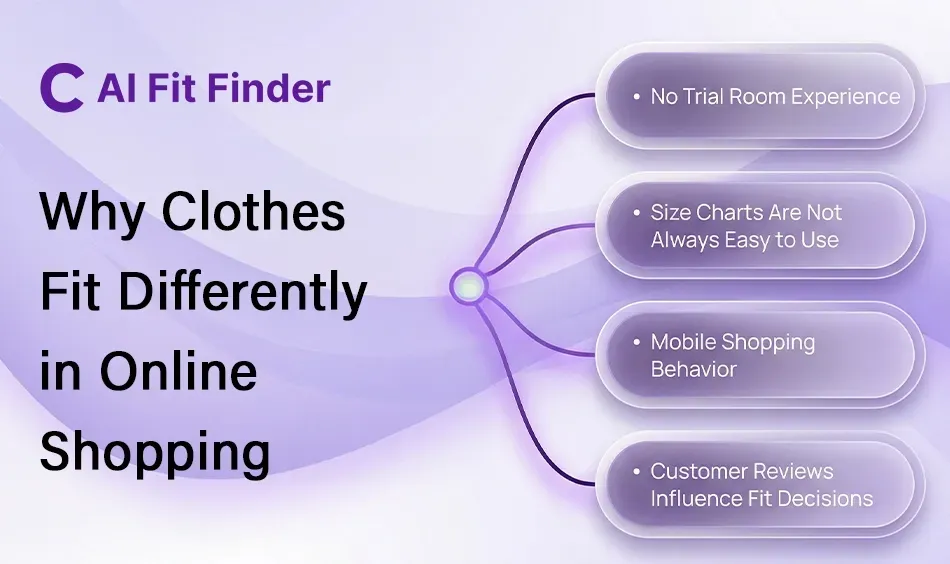
No Trial Room Experience
In physical stores, you can try multiple sizes. Online, you cannot. This makes sizing decisions more difficult.
Size Charts Are Not Always Easy to Use
Many shoppers:
- Skip size charts
- Misunderstand measurements
- Rely on guesswork
Mobile Shopping Behavior
Most online shopping happens on mobile devices.
Users:
- Browse quickly
- Avoid complex charts
- Prefer fast decisions
If sizing is unclear, they leave.
Customer Reviews Influence Fit Decisions
Shoppers rely heavily on reviews such as:
- “runs small”
- “true to size”
- “size up recommended”
How This Problem Leads to Returns
“Didn’t Fit” Is the Top Return Reason
In fashion ecommerce, the most common reason for returns is incorrect fit.
Rise of Bracketing Behavior
Many shoppers now:
- Order multiple sizes
- Keep one
- Return the rest
This increases return rates significantly.
High Apparel Return Rates
Industry data shows:
- Return rates often range from 20% to 30%
- Size issues are a major contributor
Size vs Fit vs Style
| Factor | Meaning | Impact |
| Size | Label (S, M, L) | Not always accurate |
| Fit | How it feels on body | Most important |
| Style | Design type | Changes appearance |
How to Make Sure Clothes Fit Better
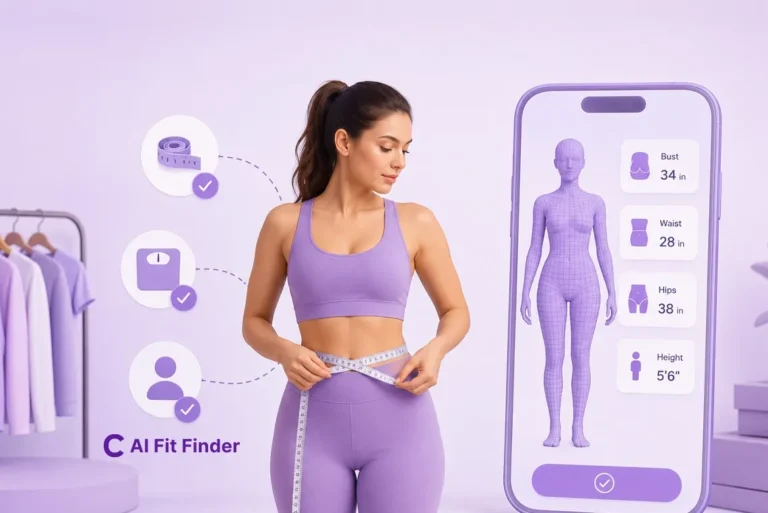
Know Your Body Measurements
Measuring your:
- Bust or chest
- Waist
- Hips
helps you choose more accurately.
Understand Fit Descriptions
Look for terms like:
- Slim fit
- Relaxed fit
- Oversized
Check Fabric Details
Fabric affects how clothing behaves. Always check product descriptions.
Compare Brand Size Charts
Each brand is different. Never assume your size is universal.
One of the biggest reasons clothes don’t fit properly is not knowing your exact body measurements. Without this, choosing the right size becomes guesswork. To avoid this, it’s important to first understand how to know your body size for clothes and use those measurements when shopping online.
Latest Solutions to Solve Fit Problems
AI Size Recommendation Tools
These tools use:
- Body data
- Preferences
to suggest accurate sizes.
Virtual Fit Technology
Some platforms offer digital try-on features. This helps visualize fit before purchase.
Improved Size Guidance
Modern ecommerce stores are:
- Simplifying size selection
- Offering instant recommendations
How Shopify Apparel Stores Can Reduce Fit Issues
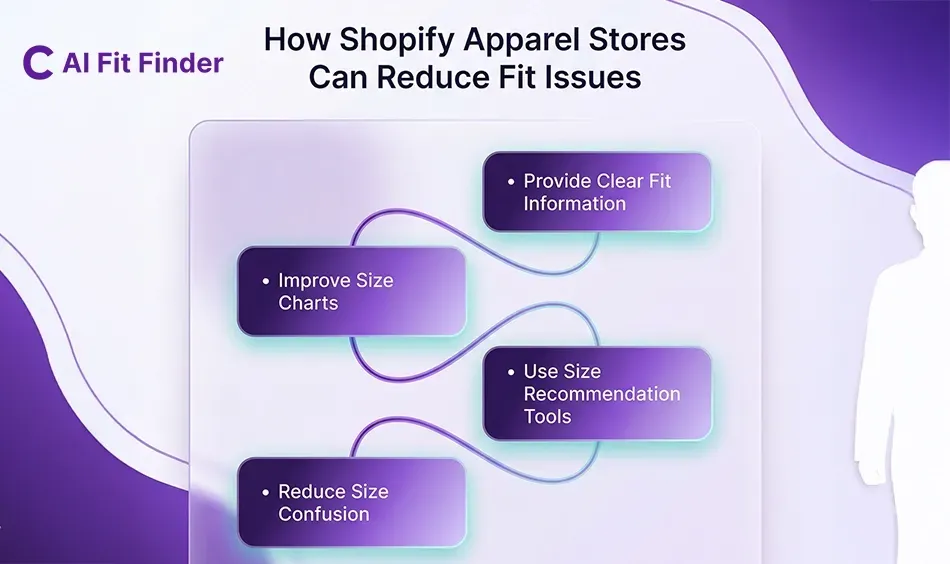
Provide Clear Fit Information
Explain:
- How the product fits
- Whether it runs small or large
Improve Size Charts
Make them:
- Simple
- Mobile-friendly
- Easy to understand
Use Size Recommendation Tools
These tools reduce guesswork and improve accuracy.
Reduce Size Confusion
Better guidance leads to fewer returns and higher conversions.
What Shoppers Expect Today
Modern shoppers want:
- Quick answers
- Accurate sizing
- Minimal effort
They do not want to analyze complex data. They want confidence before buying.
Frequently Asked Questions
- Can tight clothing cause gastritis?
Tight clothing does not directly cause gastritis, but it can increase pressure on the abdomen, which may worsen symptoms like acid reflux or discomfort. Wearing very tight pants or waistbands can push stomach acid upward, leading to irritation, especially after eating.
- What clothes are comfortable for endometriosis?
Comfortable clothing for endometriosis includes loose-fitting, soft, and breathable fabrics that do not put pressure on the abdomen. High-waist stretch pants, oversized tops, and elastic waistbands are commonly preferred. Many people choose relaxed or baggy clothing to reduce pain and discomfort during flare-ups.
- Why is Gen Z fashion so baggy?
Gen Z fashion favors baggy clothing because it prioritizes comfort, self-expression, and inclusivity. Oversized styles are influenced by 1990s and early 2000s trends and move away from tight, body-focused fashion. Loose clothing also provides more comfort for daily wear.
- What are the first signs of endometriosis?
Early signs of endometriosis may include pelvic pain, painful periods, heavy menstrual bleeding, pain during or after sex, and discomfort during bowel movements. Symptoms vary from person to person, and medical consultation is recommended for proper diagnosis.
- Why do I feel pain after wearing tight pants?
Pain after wearing tight pants usually occurs due to pressure on the abdomen, hips, or nerves. Tight clothing can restrict movement, reduce circulation, and cause discomfort, especially if worn for long periods. Choosing well-fitted or loose clothing can help reduce this issue.
Final Thoughts
Clothes not fitting, even when the size is right, is not your fault.
It happens because:
- Sizing is inconsistent
- Fit varies
- Designs differ
Understanding the difference between size and fit helps you make better choices. In online shopping, confidence comes from clarity. And clarity starts with knowing your body, understanding sizing, and choosing wisely.