
Shopping for clothes online should be simple. You select your usual size, place an order, and expect it to fit. But in reality, many shoppers face the same frustration:
The size looks right, but the fit feels wrong.
This problem is extremely common in online fashion. Customers often receive clothes that are too tight, too loose, or simply not what they expected. The reason is not always your choice. It is the way sizing works in fashion ecommerce.
There is no universal sizing standard. Different brands follow different measurement systems. Fabric types behave differently. Fit preferences vary from person to person. All of this makes it difficult to rely on size labels alone.
This guide explains how to find your clothing size online using a practical approach that reduces guesswork and helps you avoid wrong-sized clothes.
Why Clothes Don’t Fit Even When You Choose the Right Size
Before finding the right size, it is important to understand why sizing fails.
Size Labels Are Not Standardized
A “Medium” in one brand can feel like a “Small” in another.
There is no universal rule that defines what each size means. Brands create their own sizing systems based on target audience, design preferences, and regional standards. This leads to clothing size inconsistency, which is one of the biggest challenges in online shopping.
Different Brand Sizing Systems
Some brands follow:
- US sizing
- UK sizing
- EU sizing
Even within the same region, sizing can vary significantly. This means you cannot rely on one size across all brands.
Body Shape Differences
Two people with the same measurements can still experience different fits.
This happens because:
- Body proportions differ
- Posture affects fit
- Muscle and fat distribution vary
Size charts do not account for these variations.
One of the biggest challenges in online shopping is clothing size inconsistency, where the same size differs across brands. This variation makes it difficult to rely on labels alone and increases the chances of ordering the wrong size.
What You Need to Know Before Choosing a Size Online
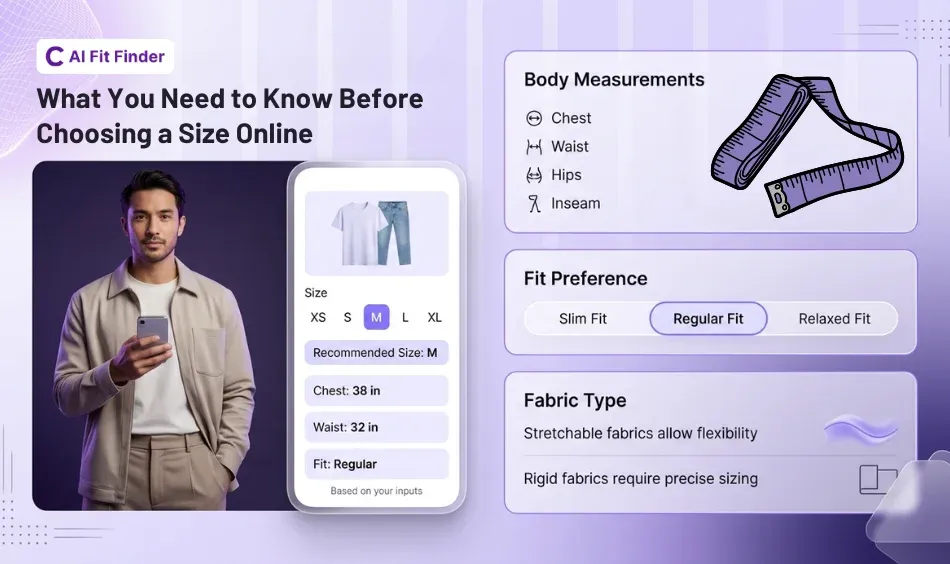
To find the correct size, you need more than just a size label.
Your Body Measurements Matter
Knowing your measurements is the most important step.
Key measurements include:
- Chest
- Waist
- Hips
- Inseam
These measurements form the foundation of any size decision.
Fit Preference (Tight vs Relaxed)
Not everyone prefers the same fit.
Some people prefer:
- Slim fit
- Regular fit
- Relaxed fit
Your preference influences your size choice.
Fabric Type and Stretch
Fabric plays a major role in fit.
- Stretchable fabrics allow flexibility
- Rigid fabrics require precise sizing
Understanding fabric behavior helps you make better decisions.
Step-by-Step Guide to Find Your Clothing Size
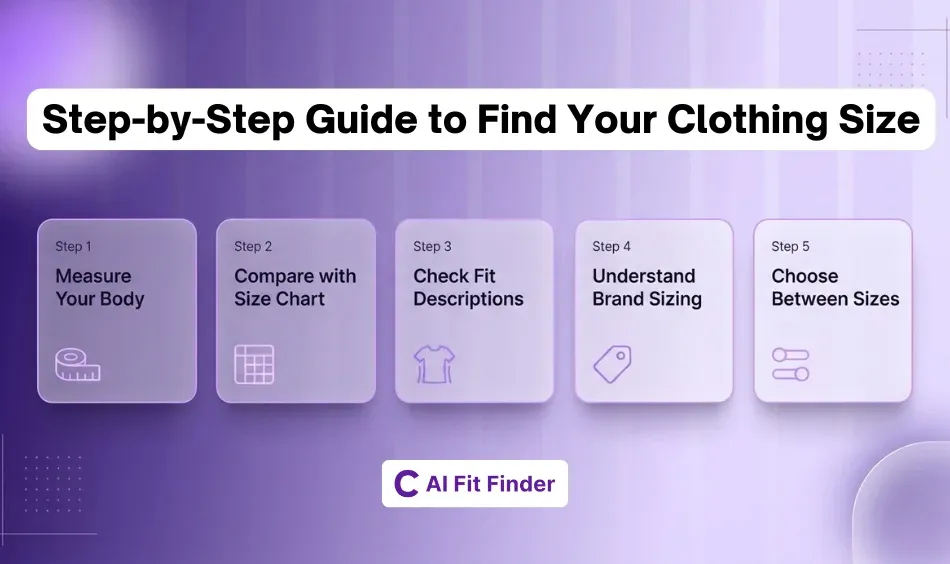
This is the most practical way to find your size online.
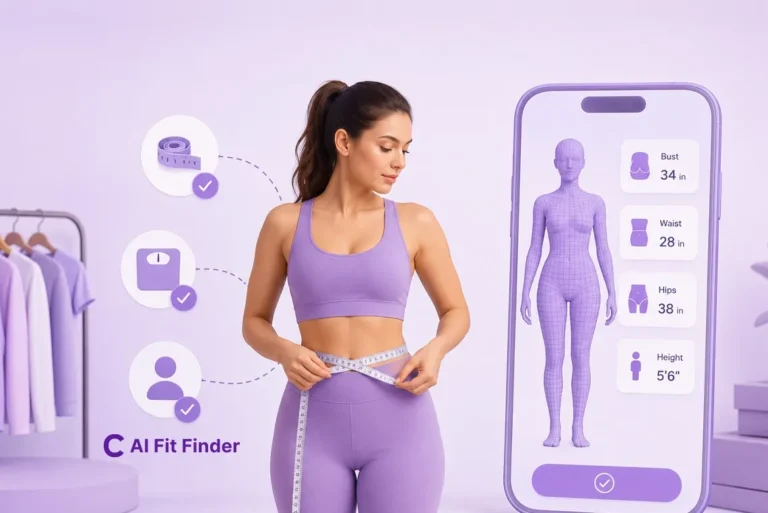
Step 1: Measure Your Body Correctly
Use a measuring tape and record:
- Chest: Around the fullest part
- Waist: Around the natural waistline
- Hips: Around the widest part
- Inseam: From crotch to ankle
These body measurements for clothes are essential. Take measurements while standing straight and relaxed.
Accurate measurements are the foundation of choosing the right size. If you are unsure how to measure correctly, follow this detailed guide on how to measure your body for clothes to improve your sizing accuracy.
Step 2: Compare Measurements with Size Chart
Once you have your measurements, compare them with the brand’s size chart.
Look for:
- Exact measurement ranges
- Closest match to your body
Do not choose a size based only on labels. Always refer to the clothing size guide.
Step 3: Check Fit Descriptions
Product pages often include fit details such as:
- Slim fit
- Relaxed fit
- Oversized
These descriptions help you understand how the garment will feel when worn.
Step 4: Understand Brand-Specific Sizing
Each brand has its own sizing pattern.
If you are shopping from a new brand:
- Check the size chart carefully
- Read customer reviews
- Look for fit feedback
This helps you find the correct size online more accurately.
Step 5: Decide When Between Sizes
Sometimes your measurements fall between two sizes.
In this case:
- Choose a larger size for comfort
- Choose a smaller size for a tighter fit
Your decision depends on:
- Fabric type
- Fit preference
How to Use a Clothing Size Chart Correctly
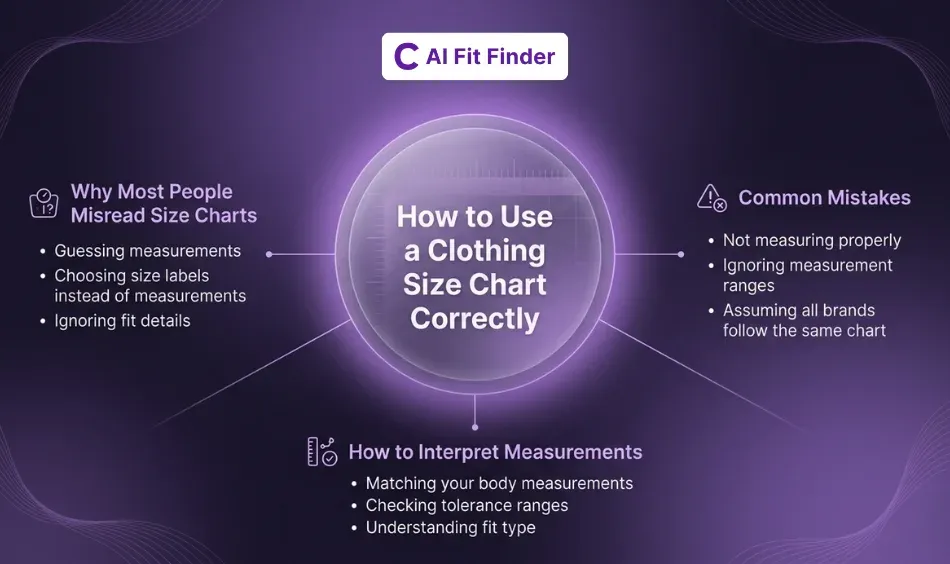
Many shoppers use size charts but still face fit issues.
Why Most People Misread Size Charts
Common mistakes include:
- Guessing measurements
- Choosing size labels instead of measurements
- Ignoring fit details
Size charts require careful interpretation.
Common Mistakes
- Not measuring properly
- Ignoring measurement ranges
- Assuming all brands follow the same chart
These mistakes lead to the wrong-sized clothes.
How to Interpret Measurements
Focus on:
- Matching your body measurements
- Checking tolerance ranges
- Understanding fit type
This approach improves accuracy.
Common Mistakes That Lead to Wrong-Sized Clothes
Avoid these mistakes to improve your fit experience.
Relying Only on Size Labels
Size labels are inconsistent and unreliable across brands.
Ignoring Fit Descriptions
Fit descriptions provide context that size charts cannot.
Skipping Measurements
Without measurements, sizing becomes guesswork.
Assuming All Brands Are the Same
Each brand has unique sizing patterns. Avoid general assumptions.
Tips to Find the Right Size Without Measuring Every Time
Measuring every time is not always practical. Here are ways to simplify the process.
Save Your Measurements
Keep your measurements saved for future use.
Stick to Consistent Brands
If a brand fits well, continue buying from it.
Check Customer Reviews
Reviews often mention:
- Sizing accuracy
- Fit experience
Understand Your Preferred Fit
Knowing your preference helps you make quicker decisions.
How Technology Helps You Find the Right Size Online
Technology is changing how customers choose sizes.
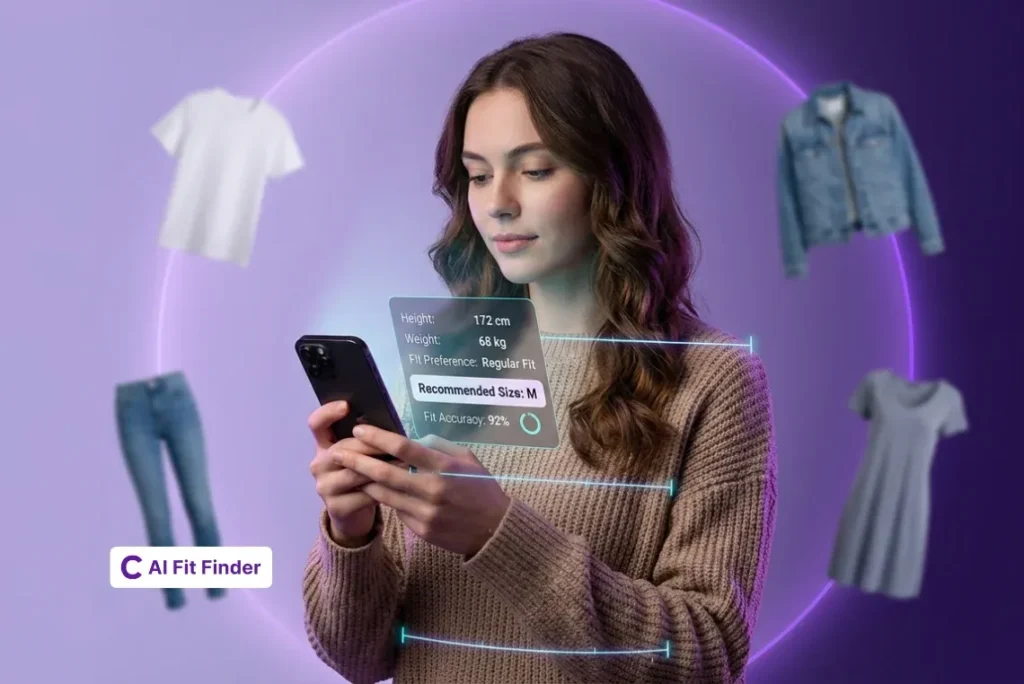
Size Recommendation Tools
These tools suggest sizes based on:
- Basic inputs
- User preferences
They reduce manual effort.
AI-Based Fit Prediction
AI analyzes data to predict the best fit.
It considers:
- Body type
- Past behavior
- Sizing patterns
Personalized Size Suggestions
Modern ecommerce platforms provide tailored recommendations. These improve accuracy and reduce guesswork.
Size Chart vs Smart Size Recommendation
| Factor | Size Chart | Smart Recommendation |
| Effort | High | Low |
| Accuracy | Medium | Higher |
| Experience | Complex | Simple |
Traditional size charts require effort and interpretation. Smart recommendations provide direct guidance.
How Finding the Right Size Reduces Returns
Sizing accuracy has a direct impact on returns.
Fewer Returns
Correct sizing reduces the need to return products.
Better Customer Satisfaction
Customers feel more confident when products fit well.
Improved Shopping Experience
A better fit experience leads to:
- Higher trust
- Repeat purchases
Ordering the wrong size often leads to returns, which impacts both customers and businesses. Issues like wrong-sized clothes and returns are directly linked to poor sizing clarity and inconsistent measurement standards.
Frequently Asked Questions
- How do I figure out my clothing size?
To figure out your clothing size, measure your chest, waist, and hips using a measuring tape. Then compare these measurements with the brand’s size chart. Do not rely only on size labels like S, M, or L because sizing varies across brands. Always check fit descriptions and fabric type to improve accuracy.
- What is the 3-3-3 rule for clothing?
The 3-3-3 rule for clothing is a simple styling method where you create multiple outfits using a limited number of items.
It typically means:
- 3 tops
- 3 bottoms
- 3 pairs of shoes
This approach helps build a flexible wardrobe. It is not directly related to sizing but helps in planning outfits efficiently.
- Is size 12 XL or XXL?
Size 12 usually falls between Large (L) and Extra Large (XL) in most women’s clothing. However, sizing varies by brand. Some brands label size 12 as L, while others may label it as XL. It is best to check the specific size chart for accurate conversion.
- Is a 34 waist large or XL?
A 34-inch waist is typically considered Medium (M) or Large (L) in men’s sizing. In some brands, it may fall under Large, but rarely XL. Always refer to the brand’s sizing guide because classifications can differ.
- Is medium a size 8 or 10?
Medium (M) usually corresponds to size 8–10 in women’s clothing. However, this can vary depending on the brand and region. Some brands may classify size 10 as Large, so checking the size chart is important.
- Is a 28 waist size L or XL?
A 28-inch waist is generally considered Small (S) or sometimes Medium (M), not Large or XL. Sizing depends on the brand, but a 28 waist typically falls in smaller size categories.
- What size is a 150 lbs woman?
A 150 lbs woman can wear different sizes depending on height, body shape, and proportions.
In general:
- It often falls between Medium (M) and Large (L)
- Could range from size 8 to 12
Weight alone is not enough to determine size. Body measurements provide a more accurate fit.
Conclusion
Finding the right clothing size online does not have to be difficult.
The key is to move beyond size labels and focus on:
- Body measurements
- Fit descriptions
- Brand-specific sizing
When you combine these factors, you reduce guesswork and improve accuracy. Technology and smarter tools are also making size selection easier. Instead of relying only on charts, shoppers can now receive guided recommendations.
By following the steps in this guide, you can avoid wrong-sized clothes and enjoy a better online shopping experience. Because when the fit is right, everything feels better.