
Clothing size inconsistency is one of the biggest hidden drivers of return rates in fashion ecommerce. While many online stores focus on improving product pages, pricing, and delivery speed, a major problem often goes unnoticed, customers cannot confidently choose the right size.
When shoppers are unsure about sizing, they either delay their purchase, abandon their cart, or buy the wrong size. In many cases, they order multiple sizes of the same product and return the ones that don’t fit. This behavior, known as bracketing, has become increasingly common in online apparel shopping.
As ecommerce continues to grow, especially in fashion, size inconsistency is no longer just a customer inconvenience. It is a measurable business problem that directly impacts revenue, operational costs, and customer trust.
This article explains why clothing size inconsistency increases online returns, how it affects ecommerce performance, and what brands can do to reduce its impact.
What Is Clothing Size Inconsistency?
Clothing size inconsistency refers to the variation in sizing standards across different brands or products. The same labeled size does not guarantee the same fit.
For example:
- A size medium in one brand may fit like a small
- A size medium in another brand may feel loose
- Even within the same brand, different products may fit differently
This inconsistency occurs because there is no universal sizing standard in the fashion industry.
Brands develop their own:
- Size charts
- Fit models
- Grading rules
- Design patterns
As a result, shoppers cannot rely on size labels alone.
Clothing size inconsistency does not happen randomly. It is rooted in how different brands define sizing standards and fit models. Without a universal system, the same size can vary significantly across products. To understand the underlying causes in detail, read our guide on why clothing sizes are so inconsistent and how it impacts online shopping.
The Link Between Size Confusion and Online Returns
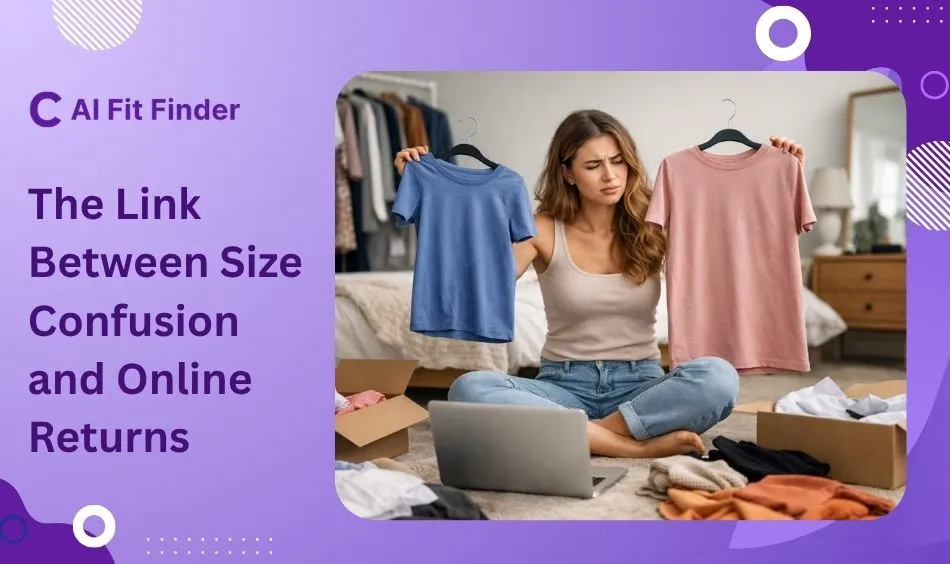
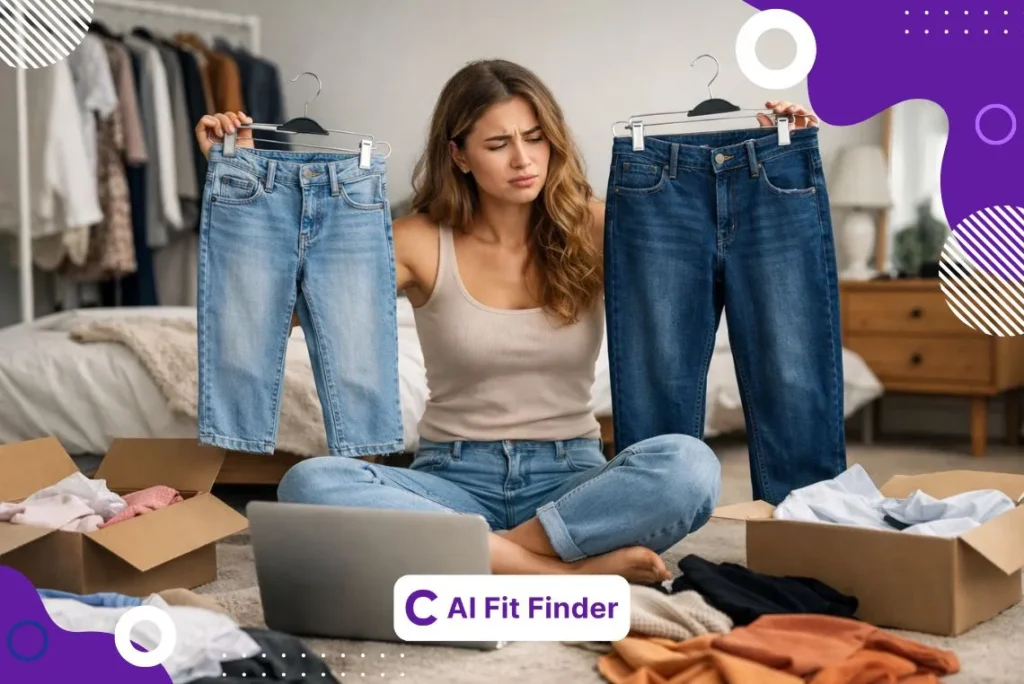
Size confusion plays a direct role in return behavior. When customers cannot confidently determine the correct size, they face uncertainty at the most important decision point in the buying journey.
The Decision Gap
At the size selection stage, shoppers often hesitate:
- Should I choose my usual size?
- Does this brand run small or large?
- What if it doesn’t fit?
This hesitation leads to delayed decisions or incorrect purchases.
Bracketing Behavior (Growing Trend)
Bracketing is when customers order multiple sizes of the same product and return the ones that don’t fit.
This behavior has increased due to:
- Free return policies
- Faster delivery expectations
- Lack of size confidence
While it improves customer convenience, it significantly increases return rates for retailers.
“Didn’t Fit” Is the Top Return Reason
Across the fashion industry, the most common reason for returns is simple:
The item did not fit as expected.
Size inconsistency is one of the main causes of this issue.
How Clothing Size Inconsistency Increases Return Rates
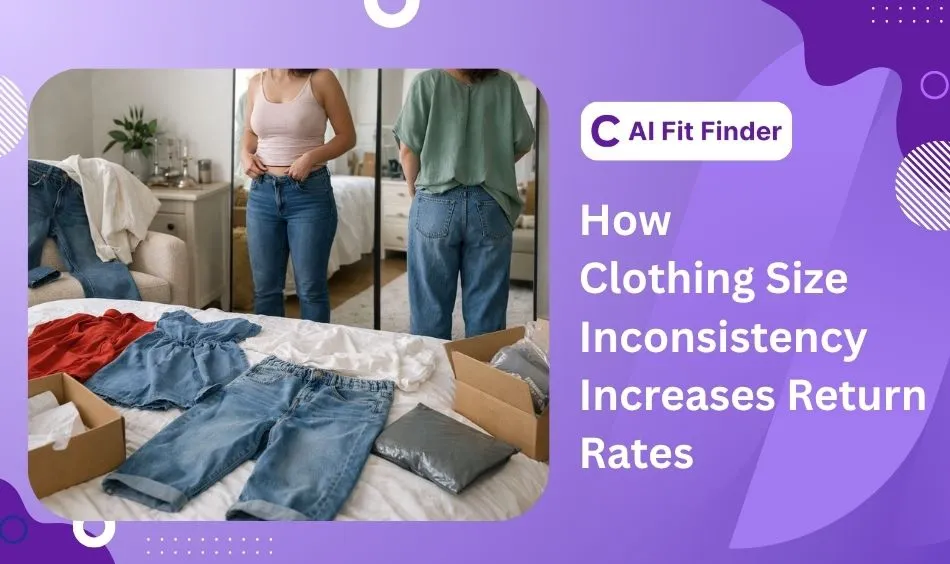
1. Wrong Size Selection
When sizing is unclear, customers rely on guesswork.
Even with size charts, many shoppers:
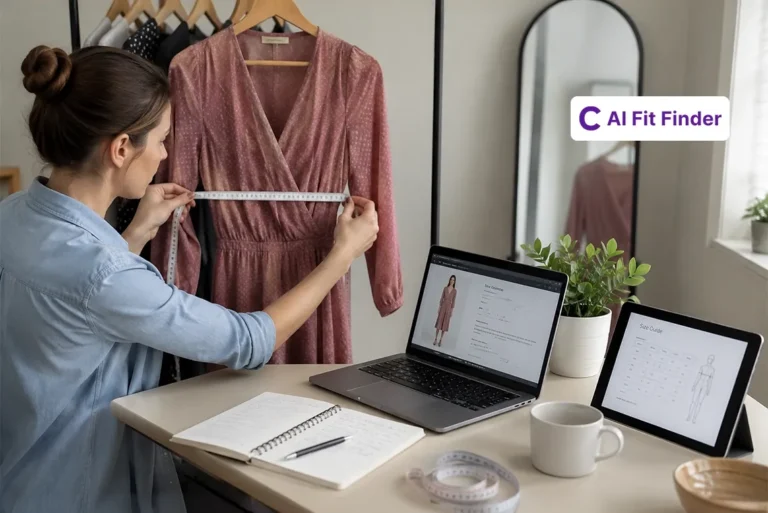
- Do not measure themselves
- Misunderstand measurements
- Assume their usual size will fit
This leads to incorrect size selection.
2. Expectation vs Reality Gap
Customers build expectations based on size labels. When the product arrives and fits differently than expected, disappointment leads to returns. This gap between expectation and reality is one of the biggest drivers of ecommerce returns.
3. Increased Bracketing Orders
Size inconsistency encourages customers to order multiple sizes.
For example:
- Order size M and L
- Keep one
- Return the other
While convenient for shoppers, this increases return volume and logistics costs.
4. First-Time Buyer Risk
New customers are more likely to return items.
Why?
- They don’t understand the brand’s sizing
- They have no previous purchase reference
- They are more cautious
This makes size inconsistency even more costly for customer acquisition.
5. Cross-Brand Shopping Behavior
Modern shoppers frequently compare products across brands. Because each brand uses different sizing systems, customers struggle to find consistency. This increases confusion and leads to higher return rates.
Ecommerce Data & Industry Insights
Recent trends highlight the growing impact of size inconsistency:
- Apparel return rates typically range between 20% and 30%
- Size-related issues remain the top reason for returns
- Mobile shopping dominates fashion ecommerce
- Customers expect fast and accurate purchase decisions
Additionally:
- Return logistics costs are increasing
- Sustainability concerns are rising due to reverse shipping
- Brands are under pressure to reduce return rates
These trends make solving size inconsistency more important than ever.
The True Cost of Size-Related Returns
Financial Costs
Returns are expensive.
They involve:
- Shipping costs
- Return processing
- Restocking
- Potential product damage
These costs reduce profit margins.
Operational Costs
Returns create operational challenges:
- Warehouse workload
- Inventory management issues
- Delays in resale
High return volume can disrupt business efficiency.
Hidden Costs
The biggest impact is often indirect:
- Reduced customer trust
- Lower repeat purchases
- Negative brand perception
Customers who receive the wrong size may hesitate to buy again.
Clothing Size Inconsistency vs Size Accuracy
| Factor | Size Inconsistency | Size Accuracy |
| Return rate | High | Lower |
| Shopper confidence | Low | High |
| Bracketing behavior | Frequent | Reduced |
| Conversion rate | Lower | Higher |
| Profit margins | Reduced | Improved |
This comparison shows that improving size accuracy is one of the most effective ways to reduce returns.
Why Size Charts Alone Do Not Reduce Returns
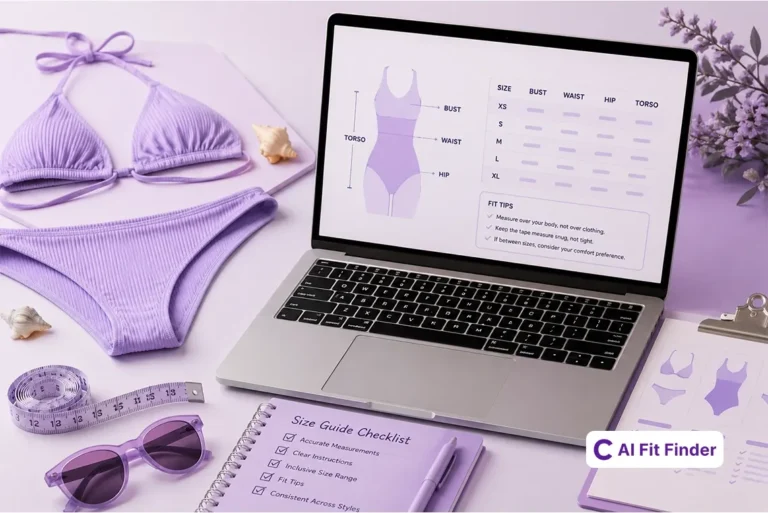
Many brands rely on size charts to solve sizing issues. However, size charts have limitations:
- Require manual measurement
- Difficult to interpret
- Not optimized for mobile
- Lack real fit context
Most shoppers do not take measurements while browsing. As a result, charts alone do not eliminate size confusion.
Clothing size inconsistency becomes even more noticeable in women’s fashion, where fit, fabric, and design variations are more complex. Many shoppers find that the same size fits differently across brands, leading to confusion and incorrect purchases. To understand this in detail, read our guide on why women’s clothing sizes are so inconsistent and how it affects online shopping decisions.
Latest Solutions to Reduce Size-Related Returns
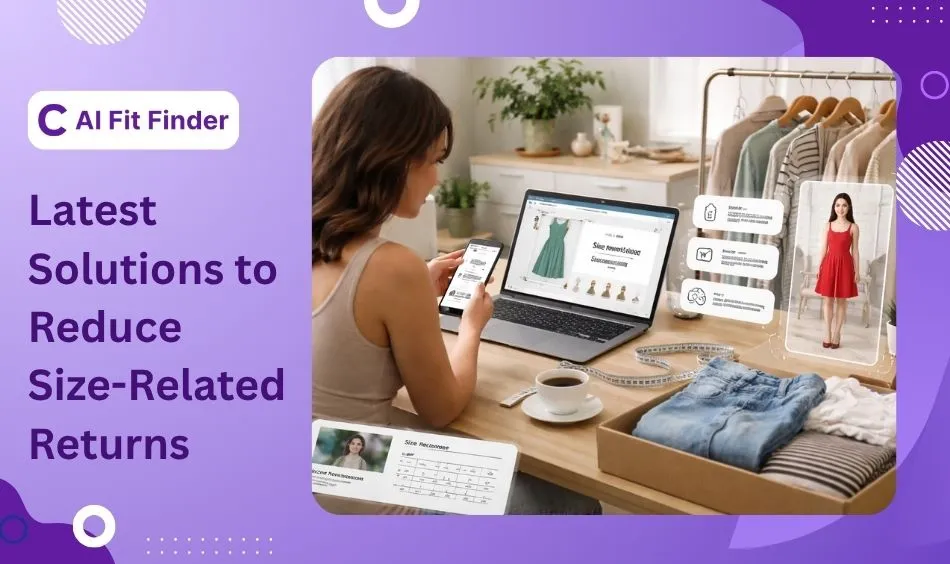
AI Size Recommendation Tools
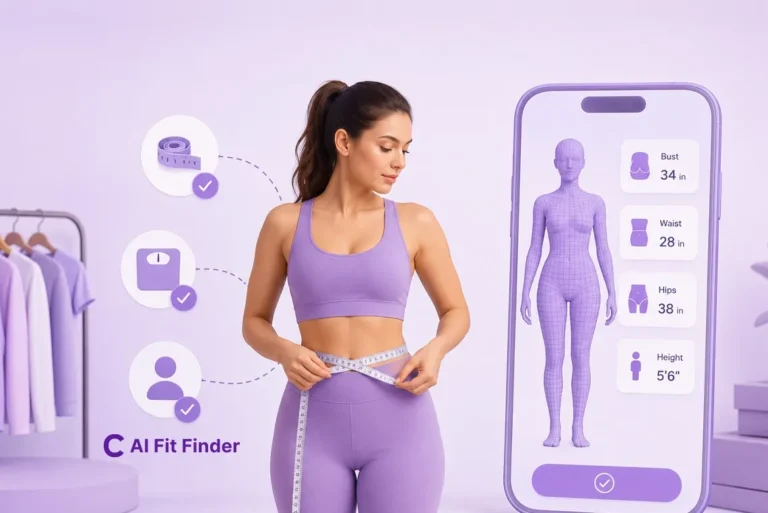
Modern ecommerce uses AI to recommend sizes based on:
- customer inputs
- previous purchases
- fit preferences
These tools improve accuracy and reduce guesswork.
Virtual Fit Technology
Virtual fitting rooms allow customers to visualize fit digitally. While still evolving, they help increase confidence.
Improved Size Guidance UX
Brands are simplifying the sizing experience by:
- reducing steps
- offering instant recommendations
- integrating fit insights into product pages
This improves decision-making speed.
How Shopify Apparel Stores Can Reduce Returns
Improve Size Clarity
Clear sizing information reduces confusion.
Include:
- Fit type
- Size guidance
- Fabric behavior
Add Fit Descriptions
Explain how garments fit:
- True to size
- Runs small
- Oversized
This provides context beyond measurements.
Use Size Recommendation Tools
Guided sizing helps customers choose quickly. It reduces hesitation and improves accuracy.
Reduce Bracketing Behavior
Encourage confident decision-making to avoid multiple-size orders.
What Shoppers Expect Today
Modern shoppers expect:
- instant answers
- minimal effort
- accurate recommendations
They do not want to analyze complex charts. They want clear guidance. Brands that provide this experience gain a competitive advantage.
Frequently Asked Questions
- Why are clothing sizes so inconsistent?
Clothing sizes are inconsistent because the fashion industry does not follow a universal sizing standard. Each brand uses its own size charts, fit models, and grading rules. Factors like vanity sizing, fabric differences, and regional sizing systems also contribute to variation. As a result, the same size label can fit differently across brands.
- What is the tolerance for clothing size?
Clothing size tolerance refers to the acceptable variation in garment measurements during manufacturing. Typically, a tolerance range of about ±0.5 to 1 inch is considered normal, depending on the garment type and brand standards. This variation can slightly affect how a garment fits, even if it is labeled with the same size.
- Can I return clothes after wearing them?
Return policies vary by brand. Most ecommerce stores allow returns only if the item is unworn, unwashed, and has original tags attached. Some brands may allow limited trials, but worn or damaged items are usually not eligible for return. It is always important to check the store’s return policy before purchasing.
- What is the rule of 7 in clothing?
The rule of 7 in clothing is a styling guideline that suggests limiting an outfit to seven visible elements, including garments and accessories. This helps maintain a balanced and visually appealing look without over-accessorizing.
- What are the 4 types of tolerance?
In apparel manufacturing, tolerance refers to acceptable variations in production. The four common types include:
- Measurement tolerance – variation in garment dimensions
- Fabric tolerance – differences in material stretch or shrinkage
- Construction tolerance – slight differences in stitching and assembly
- Fit tolerance – how the garment sits on different body shapes
These tolerances can contribute to minor differences in how clothing fits.
Final Thoughts
Clothing size inconsistency is not just a sizing issue, it is a business problem. It increases return rates, reduces conversion rates, and weakens customer trust. For ecommerce brands, solving this problem requires more than just size charts.
It requires:
- Clear size guidance
- Better product information
- Smarter technology
In online fashion, confidence drives purchases. And confidence begins with the right size.