
If you’ve ever tried shopping online for women’s clothing, you’ve likely faced this problem: the same size fits perfectly in one brand but feels completely different in another. A dress labeled as “Medium” might fit like a Small in one store and a Large in another.
This is not a rare issue; it’s one of the most common frustrations in fashion ecommerce.
Women’s clothing sizes are inconsistent because there is no universal sizing standard. Each brand uses its own measurements, fit models, and design rules. Add factors like vanity sizing, fabric differences, and global sizing systems, and the result is widespread confusion.
For online shopping, this inconsistency creates a serious problem. When shoppers are unsure about size, they hesitate. That hesitation leads to lower conversion rates, higher return rates, and reduced trust.
Understanding why this happens is the first step toward fixing it.
What Does Size Inconsistency Mean in Women’s Fashion?
Size inconsistency means that clothing labeled with the same size does not have the same measurements or fit across brands.
For example:
- A size 8 in Brand A may have a 28-inch waist
- A size 8 in Brand B may have a 30-inch waist
- A size 8 in Brand C may fit tighter due to the fabric or cut
This makes size labels unreliable as a decision-making tool.
Why Women’s Sizing Is More Complex Than Men’s
Women’s clothing sizing is more complex because:
- Body shapes vary widely
- Clothing styles are more diverse (fitted, oversized, structured)
- Design details impact fit significantly
Unlike men’s sizing, which often relies on direct measurements like waist or chest, women’s sizing blends numeric labels with fit assumptions.
Women’s clothing size inconsistency is not an isolated issue. It stems from broader sizing differences across the fashion industry, where brands follow their own measurement standards and fit logic. This creates confusion for shoppers, especially when buying online. If you want to understand the root causes in more detail, read our guide on why clothing sizes are so inconsistent and how this problem impacts ecommerce shopping behavior.
Real-Life Example of Size Differences
A shopper might buy three dresses online:
- Brand A: Medium fits perfectly
- Brand B: Medium is too tight
- Brand C: The medium is too loose
This inconsistency forces shoppers to guess, which increases purchase risk.
The Main Reasons Women’s Clothing Sizes Are Inconsistent
1. No Universal Sizing Standard
The fashion industry does not follow a global sizing system.
Each brand defines its own size chart based on:
- target audience
- fit preference
- design philosophy
Because there is no standard, sizes vary widely.
2. Vanity Sizing in Women’s Fashion
Vanity sizing is a major reason behind inconsistency.
Brands label clothes with smaller sizes than their actual measurements to make shoppers feel better.
For example:
- A garment that used to be size 10 may now be labeled size 8
While this may increase short-term sales, it creates long-term confusion in online shopping.
3. Different Fit Models
Brands use fit models to design clothing. These models represent specific body types. Because brands choose different models, their sizing reflects different proportions.
This leads to variation in:
- waist-to-hip ratios
- bust measurements
- garment length
4. Pattern Grading Differences
- Pattern grading is how clothing sizes scale up or down.
- Different brands use different grading rules.
- Even small differences in grading can lead to major fit variations across sizes.
5. Fabric and Construction
Fabric type significantly impacts how clothing fits.
Examples:
- Stretch fabric adapts to body shape
- Structured fabric does not
Two garments with the same measurements can feel very different due to fabric behavior.
6. Global Size Conversion Issues
International sizing adds another layer of complexity.
Examples:
- US size 6 ≠ UK size 6
- EU sizes follow a different numeric system
- Asian sizes often run smaller
Conversion charts help, but they are not always accurate.
Clothing size inconsistency often becomes more confusing when combined with practices like vanity sizing, where brands intentionally adjust size labels. This makes it even harder for shoppers to trust size numbers when shopping online. To explore this further, read our detailed article on what is vanity sizing and how it affects fit expectations.
Why Size Inconsistency Is Worse in Online Shopping
No Trial Room Experience
In physical stores, shoppers try multiple sizes.
Online, they must rely on:
- Size labels
- Charts
- Descriptions
If these are unclear, shoppers hesitate.
Mobile Shopping Behavior
Most fashion ecommerce traffic now comes from mobile devices.
Mobile users:
- Browse quickly
- Avoid complex size charts
- Prefer instant answers
If sizing information is confusing, they leave.
Decision Anxiety
Shoppers ask:
- Will this fit me?
- Should I size up or down?
- What if I need to return it?
These questions slow decision-making.
How Size Inconsistency Affects Online Shopping
Lower Conversion Rates
- When shoppers are unsure about size, they delay purchasing.
- Even interested buyers may leave the site.
Higher Cart Abandonment
- Size doubt often appears at checkout.
- Shoppers reconsider and abandon the cart.
Increased Return Rates
- Apparel return rates are among the highest in ecommerce.
- A major reason: incorrect size selection.
- Returns increase costs and reduce profit margins.
Reduced Customer Trust
- A poor sizing experience reduces trust.
- Customers who receive the wrong fit are less likely to buy again.
Women’s Size Inconsistency vs Accurate Size Guidance
| Factor | Size Inconsistency | Size Guidance |
| Fit predictability | Low | High |
| Shopper confidence | Low | High |
| Conversion rate | Lower | Higher |
| Return rate | High | Reduced |
| Repeat purchase | Lower | Higher |
This shows that improving size clarity directly improves ecommerce performance.
Latest Trends Solving Women’s Sizing Problems
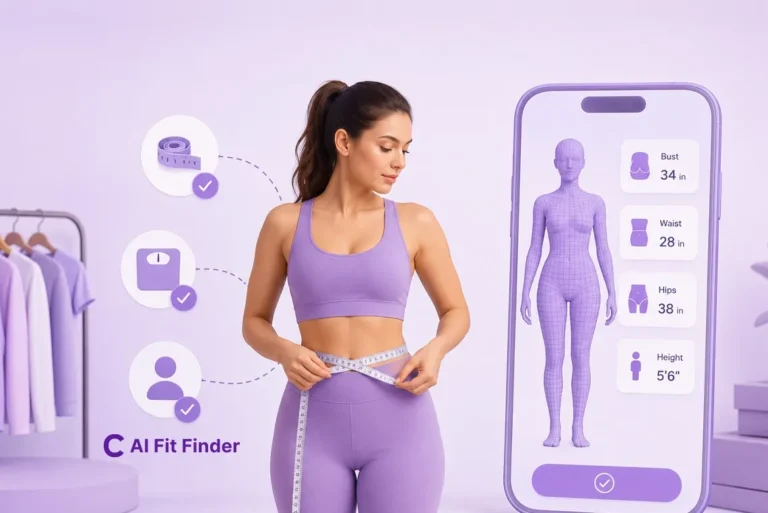
AI-Based Size Recommendation Tools
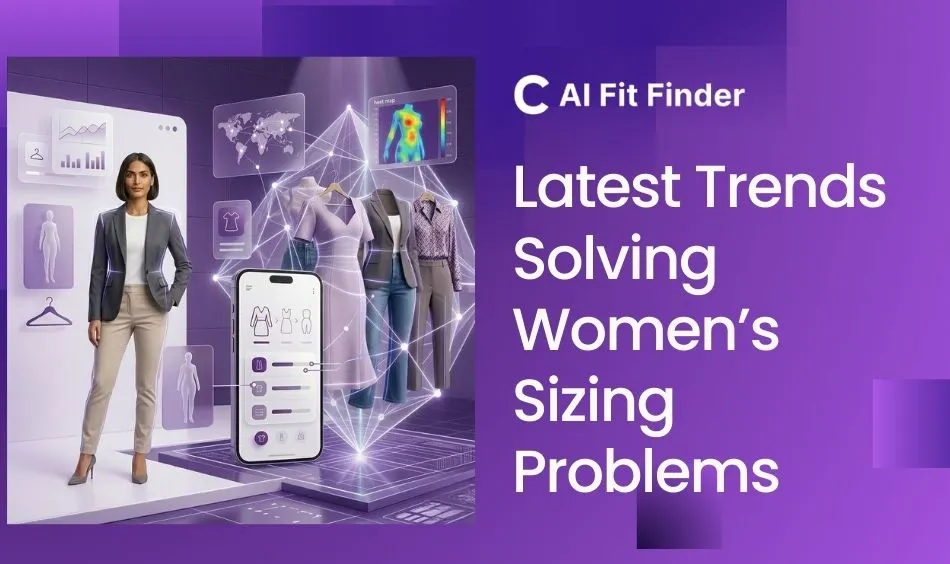
Modern tools analyze:
- Height
- Weight
- Body type
- Fit preference
They provide personalized size suggestions.
This reduces guesswork.
Virtual Fitting Rooms
- Virtual fitting rooms simulate how clothes fit digitally.
- While still evolving, they help reduce uncertainty.
Mobile-Optimized Size Experience
Brands now:
- Simplify size selection
- Provide quick recommendations
- Reduce reliance on charts
This improves the mobile shopping experience.
How Brands Can Fix Women’s Size Inconsistency
Provide Clear Fit Descriptions
Examples:
- Runs small
- True to size
- Oversized
These help shoppers understand fit.
Maintain Consistent Sizing
- Consistency builds trust.
- When customers understand your sizing, they buy more confidently.
Improve Size Charts
Make charts:
- Easy to read
- Mobile-friendly
- Clearly structured
Use Size Recommendation Tools
- Guided sizing helps shoppers choose quickly.
- It reduces hesitation and improves accuracy.
What Shoppers Can Do to Handle Size Inconsistency
Shoppers can reduce risk by:
- Measuring their body
- Comparing size charts
- Reading reviews
- Checking fabric details
- Understanding fit descriptions
These steps improve size accuracy.
Frequently Asked Questions: Women’s Clothing Sizes
- Why are women’s clothing sizes inconsistent?
Women’s clothing sizes are inconsistent because brands use different sizing systems, fit models, and design standards. There is no universal sizing rule in fashion.
- What is vanity sizing in women’s clothing?
Vanity sizing is the practice of labeling clothes with smaller size numbers than actual measurements to make shoppers feel better.
- Why do women’s clothes fit differently?
Differences in fabric, design, pattern grading, and brand sizing rules cause variations in fit.
- How can I find my correct size online?
Measure your body, compare size charts, read product descriptions, and consider fit details to choose the correct size.
Final Thoughts
Women’s clothing size inconsistency is not just a minor inconvenience; it is a major challenge in online shopping.
It affects:
- Shopper confidence
- Conversion rates
- Return costs
- Long-term trust
As ecommerce continues to grow, brands must move toward better size clarity. Shoppers do not want smaller labels; they want an accurate fit.
Brands that provide clear, reliable sizing guidance will create better shopping experiences and stronger customer relationships.