
Knowing how to measure for a dress correctly is one of the most important steps in finding the right fit when shopping online. Even the most detailed size chart becomes useless if body measurements are inaccurate. Many shoppers assume they know their size based on past purchases, but sizing varies widely across brands, dress styles, and fabrics. This often leads to hesitation, wrong orders, and unnecessary returns.
This step-by-step guide explains how to measure your body at home with accuracy, which measurements matter most for different dress types, and how to avoid common mistakes. It also covers what to do after measuring so you can confidently choose the right dress size online.
Why Accurate Dress Measurements Matter More Than Size Labels
Dress sizes are not universal. A size “M” or “8” does not mean the same thing across brands or regions. Many fashion brands use different grading rules, fabric tolerances, and fit models. Because of this, body measurements provide far more reliable guidance than size labels alone.
Dress Fit Depends on Multiple Body Points
Unlike tops or bottoms, dresses rely on several measurements at once. Bust, waist, hips, shoulder width, and height can all affect how a dress fits. A mismatch in even one area can make a dress uncomfortable or unflattering.
Incorrect Measurements Lead to Returns
Industry studies show that fit issues are responsible for nearly 30% of fashion returns. Most of these happen because shoppers guessed their size or measured incorrectly. Accurate measurements reduce this risk and help shoppers feel confident at checkout.
What You Need Before Measuring for a Dress
Before you start measuring, preparing properly makes a big difference.
Tools You’ll Need
- A soft measuring tape
- A mirror
- A phone or notebook to record numbers
- A friend (optional but helpful)
What to Wear While Measuring
Wear light, fitted clothing or underwear. Avoid bulky clothes, padded bras, or thick fabrics that can distort measurements.
Best Time to Measure
Body measurements can fluctuate slightly during the day. Measuring at the same time each session, ideally in the morning, helps maintain consistency.
How to Measure Bust, Waist, and Hips for a Dress Correctly
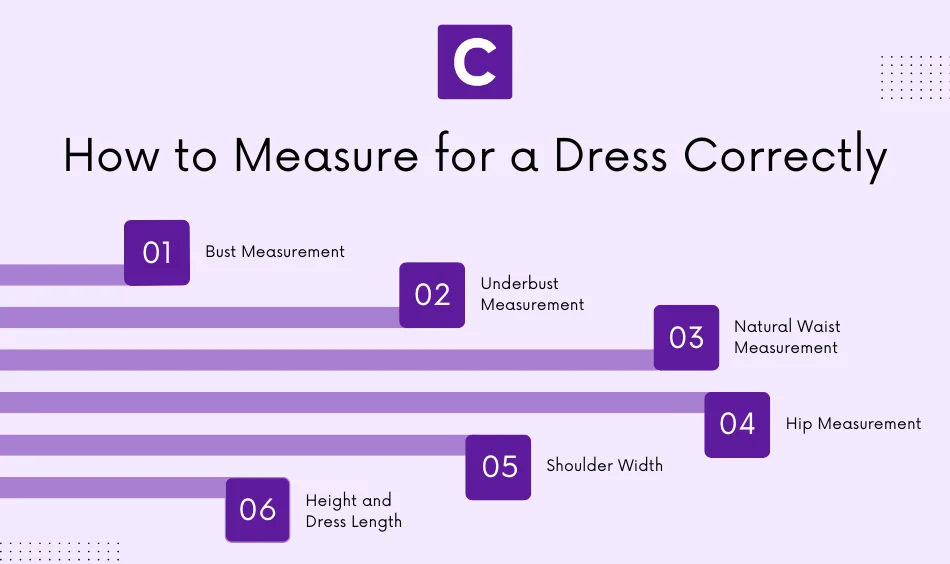
Follow these steps carefully for the most accurate results.
Step 1: Bust Measurement
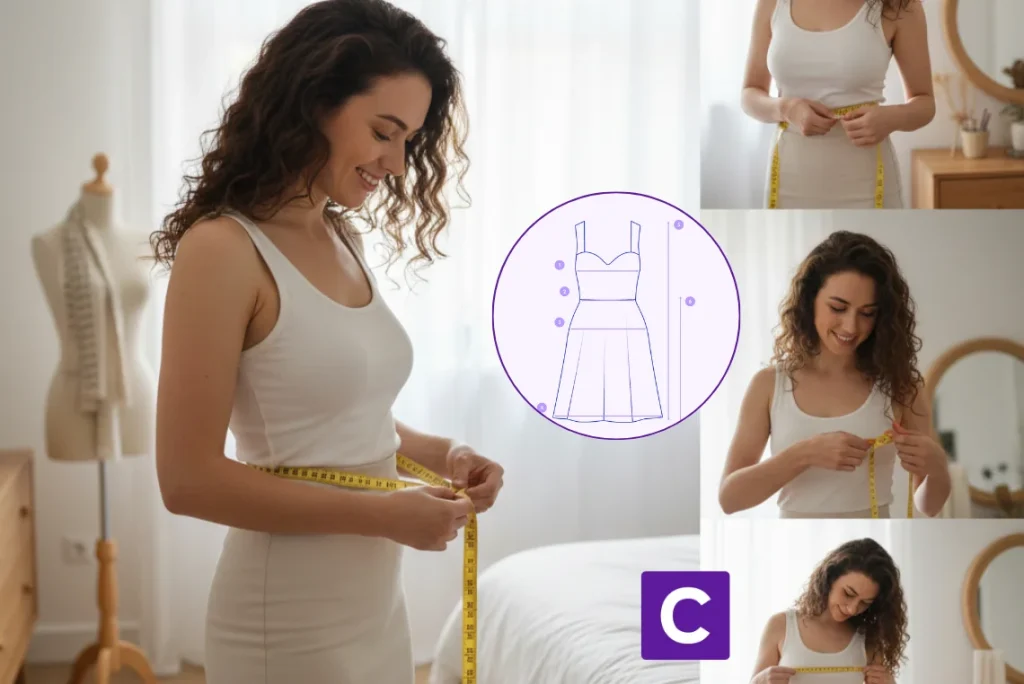
Wrap the measuring tape around the fullest part of your chest. Keep the tape straight and level across your back. Do not pull too tight or leave it loose.
Why it matters: Bust measurement is critical for fitted dresses, evening gowns, and structured bodices.
Step 2: Under bust Measurement (Optional)
Measure just under your bust where a bra band sits. This is useful for corset-style or tailored dresses.
Step 3: Natural Waist Measurement
Find your natural waist by bending slightly to one side, the crease that forms is your waist. Measure around this point.
Tip: This is different from where most jeans sit.
Step 4: Hip Measurement
Measure around the fullest part of your hips and bottom. Keep the tape parallel to the floor.
Why it matters: Hip size affects bodycon, sheath, and pencil dresses the most.
Step 5: Shoulder Width
Measure from the edge of one shoulder to the other across your back. This is often ignored, but important for fitted shoulders and formal dresses.
Step 6: Height and Dress Length
Measure your height barefoot. For maxi or floor-length dresses, height plays a big role in how the dress falls.
Before choosing a dress size, it’s important to understand how measurements translate into real-world sizing. Our detailed guide on how to find out your dress size explains how body measurements, size charts, and fit preferences work together when shopping online. It also covers common sizing mistakes and helps you choose the right size across different brands with confidence.
Common Dress Measurement Mistakes to Avoid
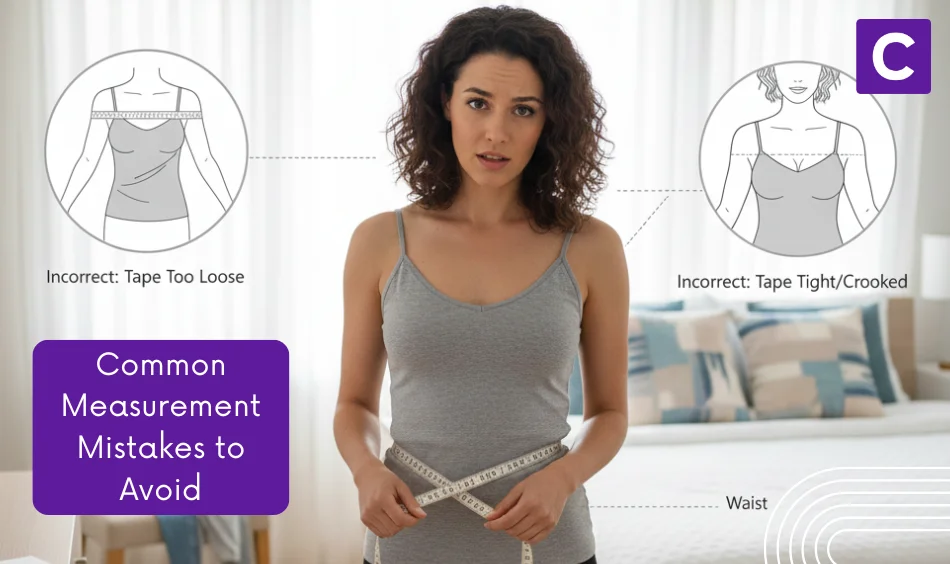
Even small errors can change sizing outcomes.
Pulling the Tape Too Tight
This can reduce measurements and lead to selecting a size that feels restrictive.
Measuring Over-Thick Clothing
Adds unnecessary bulk and inflates numbers.
Using Old Measurements
Body shape changes over time. Re-measure every 3–6 months.
Standing Unnaturally
Stand straight and relaxed. Do not suck in your stomach.
Measuring Alone When Help Is Needed
Some measurements, like shoulders, are easier with help.
How to Measure Based on Dress Type
Different dresses rely on different measurements.
Bodycon & Fitted Dresses
Bust and hips are the most important. Fabric stretch also matters.
A-Line Dresses
Waist measurement plays a bigger role than hips.
Wrap Dresses
Bust flexibility is key since wrap styles allow adjustment.
Maxi Dresses
Height and torso length affect overall fit.
Formal & Evening Dresses
Bust, shoulders, and waist must align well, especially with structured designs.
How Often Should You Measure Your Body?
Re-measure when:
- You experience weight changes
- You shop for a new category of clothing
- Seasons change
- You haven’t measured in over six months
Keeping updated measurements improves accuracy across all purchases.
What to Do After Measuring
Match Measurements With Brand Size Charts
Use the brand’s size chart, not a generic one. Focus on the measurement closest to your body.
When You’re Between Two Sizes
Check fabric stretch and fit notes. Structured fabrics may require sizing up, while stretchy fabrics allow flexibility.
Why Measuring Alone Is Sometimes Not Enough
Measurements don’t account for body shape, fit preference, or brand-specific patterns. This is where smart sizing tools help.
Size Charts vs AI Fit Tools: Which Is More Accurate?
| Factor | Manual Measuring | AI Fit Tools |
| Accuracy | Medium | High |
| Effort Required | High | Low |
| Mobile Experience | Limited | Optimized |
| Body Shape Consideration | No | Yes |
| Fit Preference | Manual | Built-in |
| Return Risk | Higher | Lower |
Manual measuring is essential, but AI tools add context that charts cannot.
How AI Fit Finder Helps After You Measure
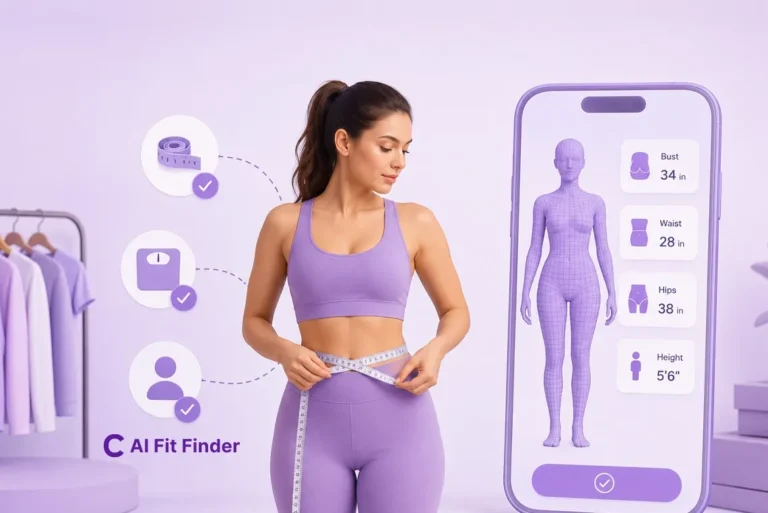
AI Fit Finder uses your measurements along with fit preferences, body profile, and product-specific data to suggest the most accurate size. Instead of guessing or manually comparing charts, shoppers get quick, confident recommendations, especially useful on mobile.
If you want to see how sizing tools impact store performance, read our guide on how a size chart Shopify app boosts fashion conversions.
You can also explore our detailed breakdown on how to find out your dress size to understand the full sizing journey.
FAQs About Measuring for a Dress at Home
1. How do I measure myself for a dress?
To measure yourself for a dress, use a soft measuring tape and measure your bust at the fullest part, your natural waist at the narrowest point, and your hips at the widest area. Stand straight, keep the tape level, and avoid pulling it too tight.
2. What does the 36-24-36 figure mean?
The 36-24-36 figure represents body measurements in inches: 36 inches for bust, 24 inches for waist, and 36 inches for hips. It’s a traditional reference for body proportions, but modern sizing depends more on overall fit than fixed numbers.
3. What is 32 in dress size?
A size 32 usually refers to a 32-inch bust measurement, which often aligns with an XXS or XS, depending on the brand and region. Dress sizing varies widely, so always check the brand’s size chart.
4. Can I use my phone as a tape measure?
You can use phone apps that estimate measurements using photos or AR features, but they are not always precise. For the best accuracy, a physical measuring tape is still recommended.
5. What are common measurement mistakes?
Common mistakes include measuring over thick clothing, pulling the tape too tight, using old measurements, standing in an unnatural posture, and skipping key areas like hips or shoulders.
Conclusion
Learning how to measure for a dress correctly gives you a strong foundation for accurate online shopping. Proper measurements reduce guesswork, increase confidence, and help avoid returns. When combined with smart sizing tools like AI Fit Finder, shoppers get the clarity they need to choose the right size faster.
Accurate sizing is no longer optional; it’s essential for better shopping experiences and long-term satisfaction.