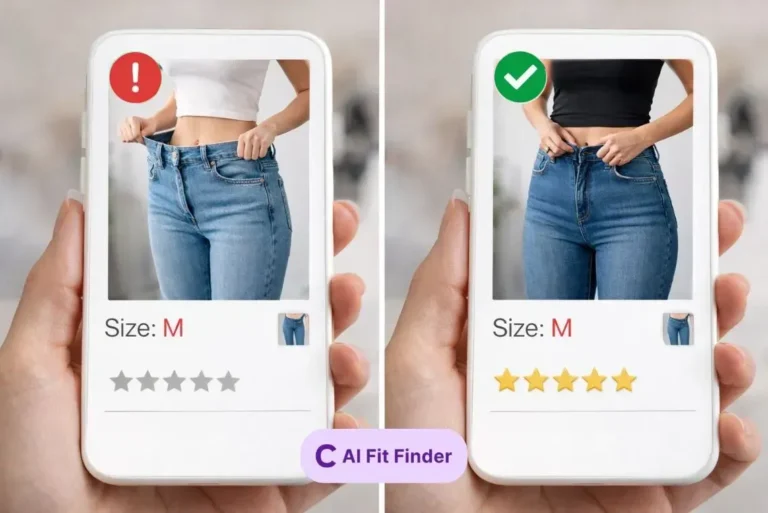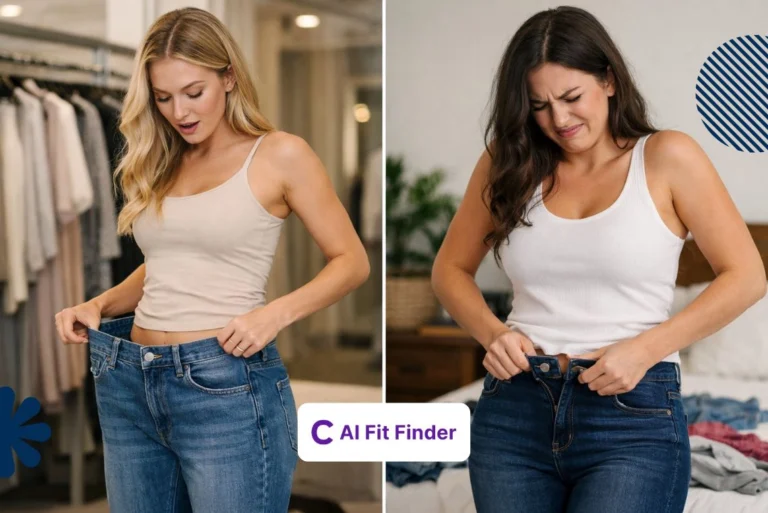

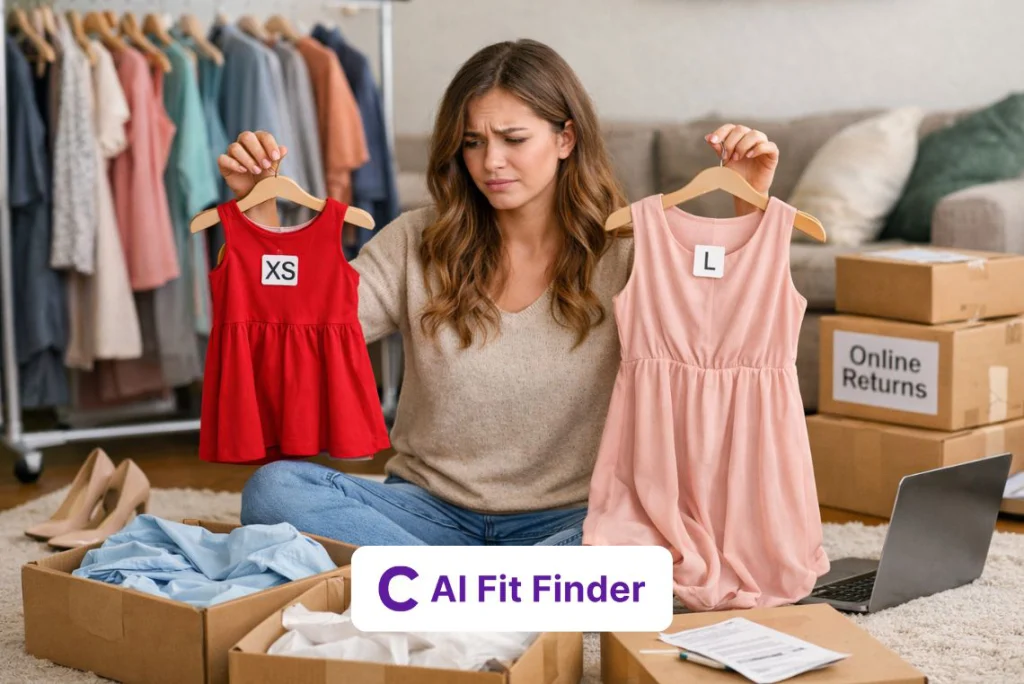
Vanity sizing returns has quietly shaped the fashion industry for decades. What began as a retail tactic to make shoppers feel good in fitting rooms has now become a major problem for online fashion brands. In e-commerce, where customers cannot try products before buying, vanity sizing directly contributes to one of the biggest operational challenges: high return rates.
For fashion ecommerce brands, especially Shopify apparel stores, returns are not just an inconvenience. They reduce profit margins, increase operational costs, and damage long-term customer trust. At the center of many of these returns is a simple issue: shoppers receive clothing that does not fit the way they expected.
This article explains how vanity sizing affects online returns in fashion ecommerce, why size confusion leads to costly return behavior, and what Shopify apparel brands can do to reduce returns by improving size clarity.
What Is Vanity Sizing in Fashion E-commerce?
Vanity sizing is the practice of labeling garments with smaller size numbers than their actual measurements would traditionally indicate. A dress that once matched a size 8 measurement may now be labeled as a size 6 or even a size 4, without any real change in garment dimensions.
In physical retail, this tactic worked because shoppers could try on multiple sizes. The emotional reward came from the label, not the accuracy of the fit. Online, however, vanity sizing behaves very differently.
Why Vanity Sizing Becomes Risky Online
In e-commerce, shoppers must make sizing decisions without physical feedback. They rely on size labels, charts, and guidance to predict fit. When size labels no longer reflect real measurements or consistent expectations, shoppers are forced to guess.
That guesswork is where returns begin.
Vanity sizing is not just a labeling issue; it’s a structural sizing problem that impacts how shoppers perceive fit online. If you want a deeper explanation of what vanity sizing is, why brands adopted it, and how it silently affects Shopify apparel stores, this detailed guide explains the full background and business impact.
Why Size-Related Returns Are So Common in Fashion E-commerce
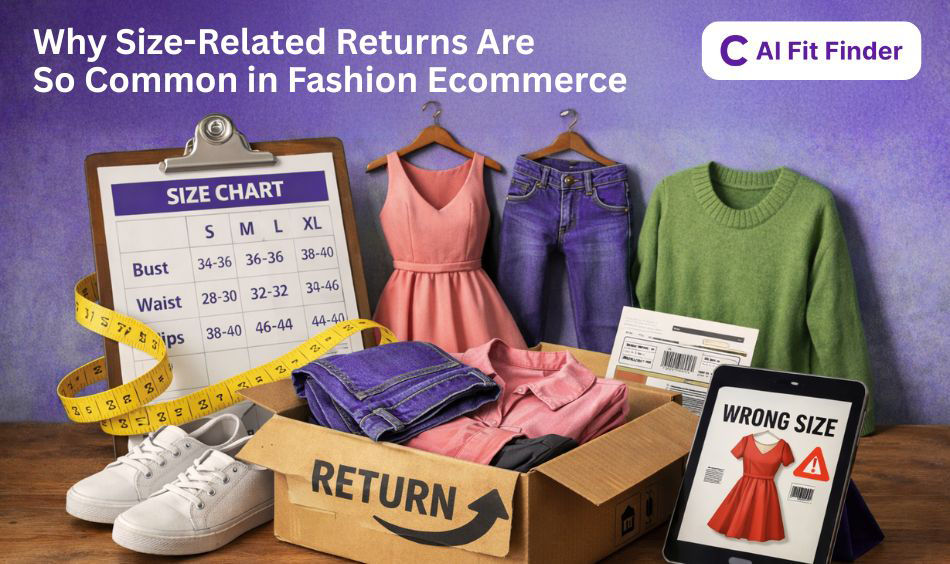
Fashion ecommerce consistently reports higher return rates than most other online categories. The main reason is fit uncertainty.
“Didn’t Fit as Expected” Is a Symptom, Not the Root Problem
Most apparel return forms list reasons such as:
- Too small
- Too large
- Didn’t fit as expected
These reasons often point back to vanity sizing. The label suggested one thing, but the garment delivered something else.
When shoppers repeatedly experience this mismatch, confidence drops. They may still purchase, but they do so with caution, and return rates rise.
The Psychology of Online Fit Decisions
Before clicking “Buy Now,” shoppers ask:
- Will this fit me like my usual size?
- Should I size up or down?
- What if I need to return it?
Vanity sizing makes these questions harder to answer. When uncertainty remains, shoppers either abandon the purchase or order the wrong size.
How Vanity Sizing Directly Increases Online Return Rates
Vanity sizing does not just confuse shoppers; it creates a predictable return cycle.
Label-Based Decisions Lead to Wrong Orders
Many shoppers rely on familiar size numbers from past purchases. Vanity sizing breaks that expectation. A customer orders their usual size, but the garment fits tighter or looser than expected.
The result is a return.
Brand-to-Brand Inconsistency Multiplies the Problem
Vanity sizing varies by brand, region, and even collection. A size “M” in one store may feel completely different in another. For Shopify apparel stores competing globally, this inconsistency becomes expensive.
First-Time Buyers Are Hit the Hardest
First-time shoppers have no sizing history with a brand. One poor fit experience often leads to:
- A return
- Loss of trust
- No repeat purchase
This makes vanity sizing especially harmful for growth-focused ecommerce brands.
The Hidden Business Cost of Vanity Sizing for Shopify Stores
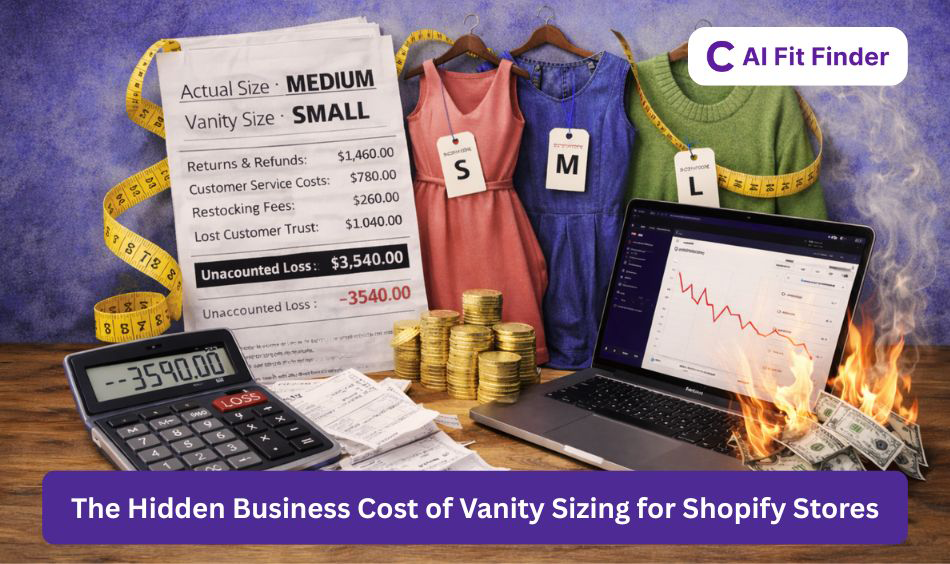
Vanity sizing rarely shows up clearly in analytics dashboards, but its impact is measurable.
Direct Costs of Returns
- Reverse shipping fees
- Warehouse handling
- Repackaging and restocking
- Payment processing losses
Indirect Costs
- Lower repeat purchase rates
- Increased customer support workload
- Inventory forecasting issues
- Reduced customer lifetime value
Over time, vanity sizing quietly erodes profitability.
How Vanity Sizing Affects the Shopify Conversion Funnel
Vanity sizing impacts more than post-purchase returns. It affects conversions at every stage.
Product Page Hesitation
Size selection is one of the final decisions before checkout. If shoppers feel unsure, they pause. Many leave the product page without adding to the cart.
Cart Abandonment
Even after adding items to the cart, sizing doubt can resurface. Thoughts like “What if this doesn’t fit?” lead to abandoned carts.
Post-Purchase Regret
When shoppers receive a poorly fitting item, regret sets in. This affects future buying behavior and lowers long-term conversion rates.
Vanity Sizing vs Size Accuracy in E-commerce
The difference between vanity sizing and accurate size guidance becomes clear when comparing outcomes.
Vanity Sizing vs Size Accuracy Comparison
| Factor | Vanity Sizing | Size Accuracy & Guidance |
| Size label consistency | Low | High |
| Shopper confidence | Low | High |
| Wrong-size orders | High | Low |
| Return rate | Higher | Lower |
| Conversion impact | Negative | Positive |
| Repeat purchases | Decline | Improve |
| E-commerce suitability | Poor | Strong |
This comparison shows why vanity sizing struggles in online environments.
Why Size Charts Alone Don’t Fix Vanity Sizing Returns
Many Shopify apparel brands rely on size charts to compensate for inconsistent sizing. While charts help, they do not solve the root problem.
Charts Require Effort From Shoppers
Shoppers must:
- Find a tape measure
- Measure correctly
- Interpret tables
- Compare numbers
Many skip this process, especially on mobile devices.
Charts Don’t Explain Fit
Size charts show numbers, not how garments feel when worn. They rarely explain stretch, cut, or silhouette differences that influence fit.
Vanity Sizing Undermines Chart Trust
When labels conflict with experience, shoppers may ignore charts altogether and rely on guesswork.
How Shopify Apparel Brands Can Reduce Returns Caused by Vanity Sizing
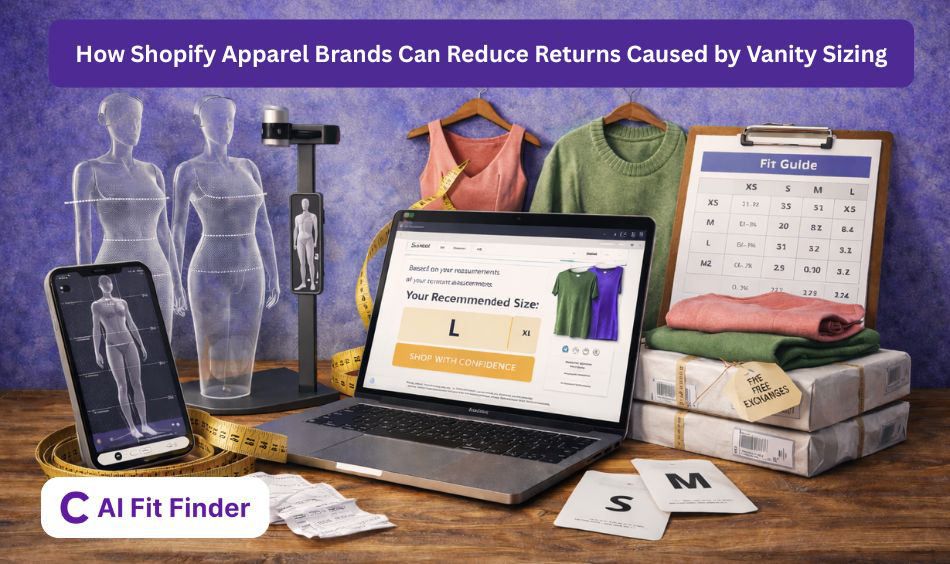
Reducing returns requires shifting away from label-driven decisions toward clarity-driven experiences.
Add Fit Transparency
Instead of relying on labels alone, brands should describe how garments fit:
- Runs small, true to size, or large
- Slim, regular, or relaxed
- Structured or stretchy
This context helps shoppers visualize fit.
Guide Shoppers Between Sizes
Many shoppers fall between sizes. Clear recommendations like “size up if between sizes” reduce guesswork and returns.
Define Brand-Specific Size Behavior
Explain how your sizing behaves across collections. Consistency builds trust, even when sizing varies slightly.
How Size Recommendation Tools Reduce Vanity Sizing Returns
Modern size recommendation tools help shoppers choose the right size without relying solely on labels.
Moving From Labels to Guidance
Instead of asking shoppers to interpret charts, these tools guide decisions based on:
- Body inputs
- Fit preferences
- Brand-specific sizing behavior
How This Reduces Returns
Guided sizing:
- Reduces hesitation
- Improves conversion confidence
- Lowers wrong-size orders
- Builds long-term trust
This approach works especially well for Shopify apparel stores selling across regions and device types.
When Vanity Sizing Hurts E-commerce Brands the Most
Vanity sizing becomes especially damaging in these scenarios:
Mobile-First Shopping
Mobile shoppers expect instant clarity. Vanity sizing combined with unclear charts fails quickly on small screens.
International Customers
Different sizing standards amplify confusion. Vanity sizing worsens cross-border fit issues.
Scaling Shopify Brands
As order volume increases, even small sizing issues multiply into large return losses.
Key Metrics Shopify Brands Should Track
To measure the impact of vanity sizing, brands should monitor:
- Return rate by size
- Conversion rate near size selection
- Cart abandonment by product
- Repeat purchase rate after returns
These signals often reveal sizing problems before revenue declines become obvious.
Frequently Asked Questions About Vanity Sizing and Returns
1. Is vanity sizing real?
Yes, vanity sizing is real and widely used in the fashion industry. It refers to labeling garments with smaller size numbers than their actual measurements would traditionally indicate. Over time, many brands have gradually shifted size labels downward while keeping garment dimensions similar, which creates inconsistency across brands and collections.
2. Is vanity sizing a marketing tactic?
Yes, vanity sizing is often used as a marketing tactic. Brands adopt it to make shoppers feel better about fitting into a smaller size, which can increase short-term purchase satisfaction in physical stores. However, in online fashion ecommerce, this tactic often backfires by causing size confusion, higher returns, and lower long-term trust.
3. Where can size returns be returned?
Size-related returns are usually sent back to the retailer’s warehouse or designated return center. For Shopify fashion stores, this typically involves:
- Reverse shipping to fulfillment centers
- Inspection and restocking processes
- Sometimes resale at a discounted price
These return operations add logistical costs and reduce profit margins, especially when returns are driven by size confusion rather than product defects.
4. Is vanity sizing deceptive?
Vanity sizing can be considered misleading in an online shopping context. While not illegal, it creates inaccurate expectations when size labels do not reflect real measurements. In e-commerce, where shoppers cannot try items on, this lack of transparency often leads to incorrect purchases, dissatisfaction, and increased return rates.
5. What are the pros and cons of vanity sizing?
Pros:
- Makes shoppers feel positive about fitting into smaller sizes
- Can improve short-term emotional appeal
- May encourage impulse purchases in physical retail
Cons:
- Creates size confusion in online shopping
- Increases return rates due to poor fit expectations
- Lowers conversion rates from hesitant buyers
- Reduces long-term trust and repeat purchases
- Increases operational costs for fashion brands
For e-commerce and Shopify apparel brands, the disadvantages usually outweigh the benefits.
Conclusion: Vanity Sizing Is a Return Problem, Not a Branding Strategy
Vanity sizing may create short-term emotional appeal, but in fashion ecommerce, it leads to long-term losses. It increases return rates, lowers conversion confidence, and weakens customer trust.
For Shopify apparel brands, growth depends on clarity, not perception tricks. Shoppers want predictability, comfort, and confidence. Brands that move beyond vanity sizing and focus on size accuracy see fewer returns, stronger conversions, and higher lifetime value.
In e-commerce, the brands that succeed are not those with the smallest labels, but those with the clearest fit.