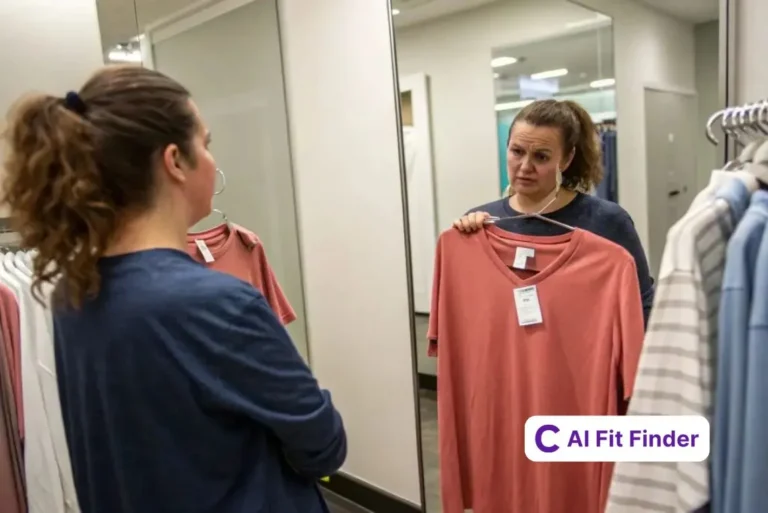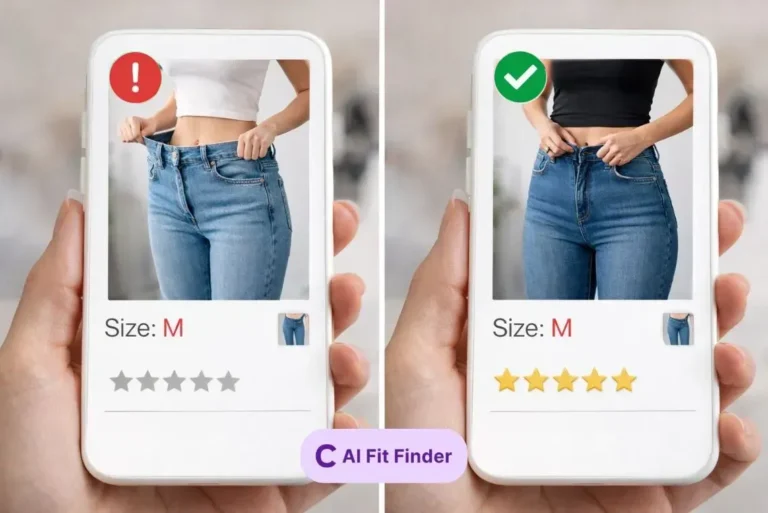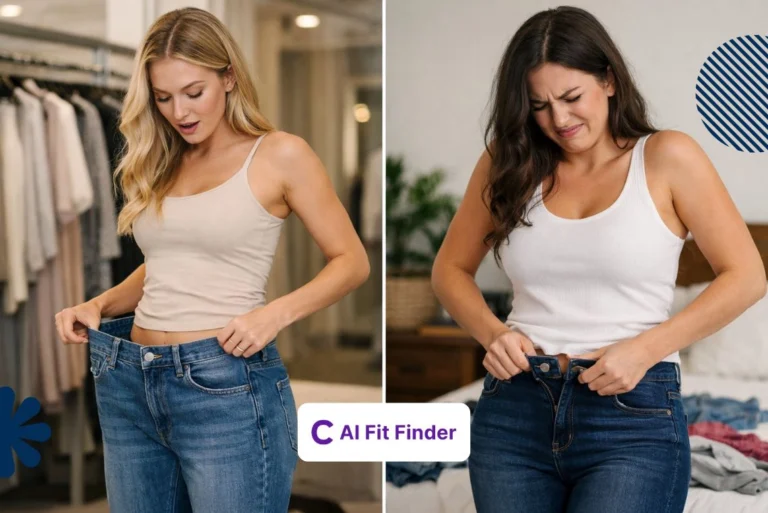

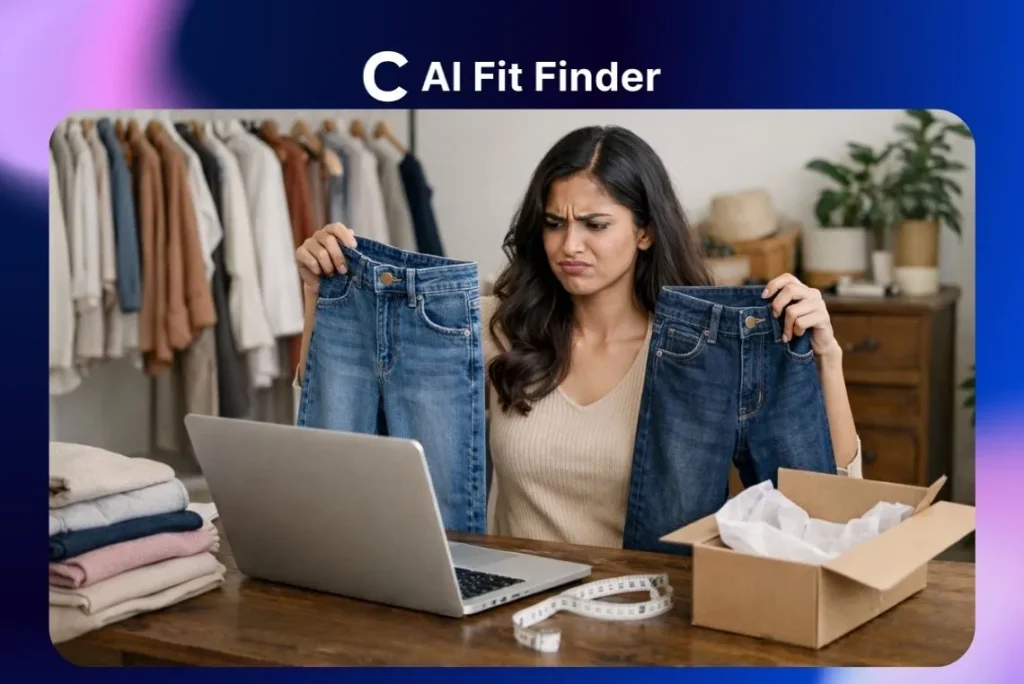
Clothing size inconsistency has become one of the most frustrating issues in modern online shopping. A shopper might wear a size medium in one brand, a large in another, and sometimes even a small, depending on the product. This inconsistency creates confusion, hesitation, and uncertainty during the buying process.
In physical retail stores, shoppers could solve this problem easily by trying clothes on in fitting rooms. Ecommerce removes that safety net. When customers shop online, they rely heavily on size labels, product descriptions, and size charts to make purchasing decisions.
When those signals are inconsistent, the entire shopping experience becomes more complicated.
Clothing size inconsistency affects online shopping in several ways. It reduces shopper confidence, increases cart abandonment, raises return rates, and weakens long-term trust between brands and customers.
Understanding how and why this happens is important not only for shoppers but also for online apparel brands that want to improve conversion rates and reduce costly returns.
What Is Clothing Size Inconsistency?
Clothing size inconsistency refers to the variation in sizing standards between different fashion brands or even between products from the same brand.
For example, a shopper who normally wears a size 10 may find that:
- Brand A fits best in size 10
- Brand B fits better in size 12
- Brand C fits best in size 8
Although the numeric label remains similar, the actual garment measurements may differ significantly. This problem exists because fashion sizing does not follow a universal standard. Each brand uses its own fit models, measurement systems, and pattern grading rules. Over time, this independence has resulted in widespread clothing size inconsistency across the fashion industry.
Why Clothing Sizes Vary Between Brands
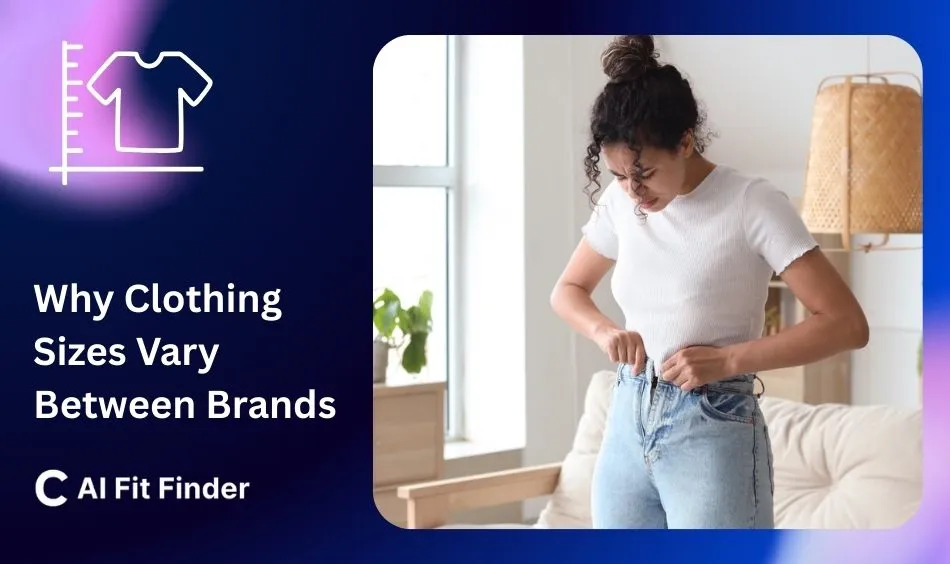
Several factors contribute to size inconsistency across brands.
Different Target Customers
Brands design clothing for specific customer groups. A brand targeting younger shoppers may create slimmer silhouettes, while a brand targeting broader demographics may design more relaxed fits.
These design choices influence measurements such as:
- Waist width
- Shoulder spacing
- Hip ratio
- Garment length
Because brands prioritize different body types, the same size label can represent different measurements.
Pattern Grading Differences
Pattern grading is the process of scaling a base garment pattern to create larger and smaller sizes. Different brands use different grading methods. Some increase hip measurements more aggressively, while others focus on chest or waist expansion. Small variations in grading rules can create significant size differences as garments scale across size ranges.
International Size Systems
Global ecommerce introduces additional complexity because sizing standards differ by region.
Examples include:
- US numeric sizing
- UK sizing conversions
- European numeric systems
- Asian sizing structures
Although conversion charts exist, they rarely provide perfect alignment between regions. This means international online shoppers frequently experience size inconsistency when ordering from global brands.
Fabric and Construction
Fabric type also affects perceived fit. Garments made with stretch materials may feel larger than garments made with structured fabrics. Two garments with identical measurements may feel completely different due to differences in:
- elasticity
- garment construction
- fabric thickness
These variables contribute to the complexity of sizing.
Clothing size inconsistency is one of the biggest reasons shoppers hesitate before purchasing apparel online. When the same labeled size fits differently across brands, customers lose confidence and spend more time comparing products. This confusion often leads to cart abandonment or incorrect purchases. To understand the root causes behind this problem, you can read our detailed guide on why clothing sizes are so inconsistent and how it affects online fashion shopping.
Why Size Inconsistency Matters More in Online Shopping

In traditional retail stores, shoppers can quickly resolve size uncertainty by trying multiple garments. Online shopping removes that ability. Without fitting rooms, shoppers must depend on digital information to determine whether a product will fit. This reliance on digital signals amplifies the impact of clothing size inconsistency.
Lack of Physical Try-On
The most obvious challenge is the inability to physically test the garment. Even detailed product photos cannot fully communicate how clothing fits a particular body type.
Because of this limitation, shoppers depend heavily on:
- size labels
- measurement charts
- customer reviews
When these signals feel unreliable, purchase hesitation increases.
Faster Mobile Shopping Behavior
Mobile devices now dominate ecommerce traffic, especially in fashion. Mobile shoppers typically browse quickly and expect clear information immediately. They are less likely to measure themselves while browsing and less likely to carefully analyze size charts. If sizing information appears confusing, mobile shoppers often abandon the purchase.
The Biggest Ways Size Inconsistency Affects Online Shopping
Clothing size inconsistency has measurable effects on ecommerce performance.
Lower Conversion Rates
Conversion rate measures how many visitors complete a purchase. When shoppers feel unsure about sizing, they hesitate before adding items to their cart. This hesitation lowers add-to-cart rates and reduces overall conversions. Even shoppers who like the product may leave the website to compare sizing information elsewhere.
Higher Cart Abandonment
Size uncertainty often resurfaces during checkout. Shoppers may add an item to the cart but reconsider before completing the purchase.
Common thoughts include:
- “What if it doesn’t fit?”
- “Will returning this be difficult?”
- “Should I order multiple sizes instead?”
These concerns increase cart abandonment rates.
Increased Product Returns
One of the biggest consequences of clothing size inconsistency is higher return rates. In apparel ecommerce, return rates often range between 20% and 30%, depending on the product category. The most common reason customers return clothing items is simple: the item did not fit as expected.
Returns create multiple challenges for retailers:
- shipping costs
- restocking labor
- damaged inventory
- lost profit margins
Reducing size confusion can significantly reduce return volume.
Reduced Customer Trust
Trust is one of the most valuable assets for ecommerce brands. When customers receive clothing that fits differently than expected, trust declines. A single poor sizing experience may cause customers to hesitate before buying again. Over time, repeated sizing problems reduce customer lifetime value.
Clothing Size Inconsistency vs Clear Size Guidance
Below is a comparison illustrating how inconsistent sizing differs from clear size guidance in ecommerce.
| Factor | Size Inconsistency | Clear Size Guidance |
| Shopper confidence | Low | High |
| Cart abandonment | Higher | Lower |
| Return rates | Higher | Reduced |
| Repeat purchases | Less frequent | More likely |
| Brand trust | Weakens | Strengthens |
This comparison highlights how improving size clarity can significantly enhance online shopping experiences.
Latest Trends in Online Fashion Sizing
The ecommerce fashion industry is actively exploring ways to reduce size confusion.
AI Size Recommendation Tools
Artificial intelligence is increasingly used to recommend sizes based on user inputs such as:
- height
- weight
- body shape
- fit preference
These tools analyze data from previous purchases and return behavior to provide personalized suggestions.
Virtual Fitting Rooms
Virtual fitting room technology allows shoppers to visualize how clothing might fit digitally. Although still evolving, these tools help reduce size uncertainty by simulating fit. Many ecommerce platforms are experimenting with this technology to improve customer confidence.
Mobile-Optimized Size Guidance
Brands are improving mobile UX by redesigning size information for smaller screens.
Modern solutions include:
- simplified size selectors
- quick fit recommendations
- interactive measurement guides
These improvements make it easier for shoppers to choose the correct size without extensive research.
How Fashion Brands Can Reduce Size Confusion Online
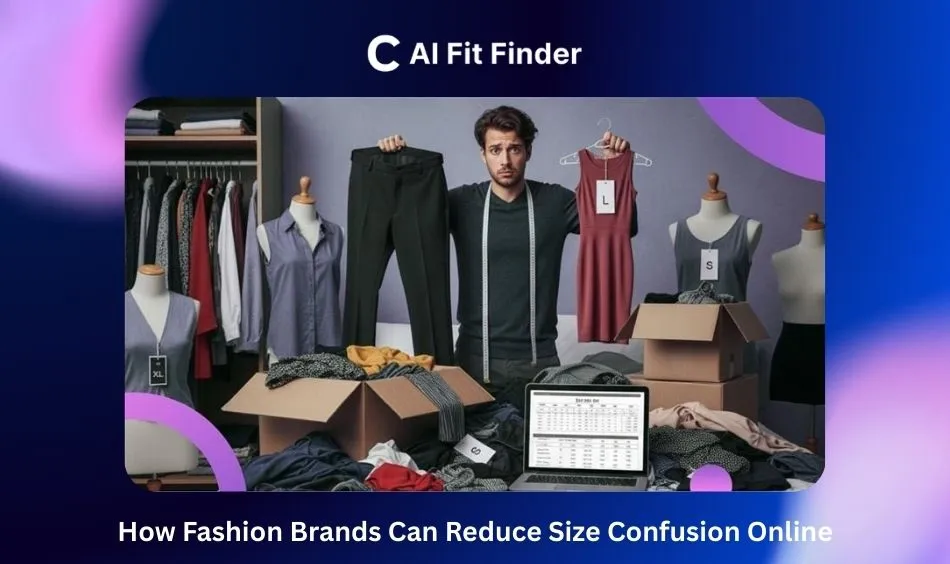
While complete industry standardization may be unrealistic, brands can take several steps to reduce clothing size inconsistency.
Provide Clear Fit Descriptions
Describing garment fit helps shoppers understand how clothing behaves.
Examples include:
- true to size
- slim fit
- relaxed fit
- oversized silhouette
Clear descriptions reduce uncertainty.
Maintain Consistent Brand Sizing
Brands should aim for consistency across product lines.
When customers learn how a brand fits, they are more likely to buy confidently in the future.
Improve Size Chart Usability
Many size charts are difficult to interpret.
Brands should:
- Simplify chart design
- Highlight key measurements
- Optimize charts for mobile devices
Better usability improves shopper understanding.
Use Size Recommendation Technology
Advanced sizing tools analyze shopper data to guide size selection. Instead of forcing customers to interpret measurements themselves, these tools provide recommendations based on multiple inputs.
This approach reduces guesswork and improves accuracy.
What Shoppers Can Do to Handle Size Inconsistency
Consumers can take several steps to minimize sizing errors when shopping online.
These include:
- measuring body dimensions accurately
- reviewing brand-specific size charts
- reading customer reviews for fit feedback
- checking fabric stretch information
- Comparing sizing recommendations across brands
These strategies help reduce the risk of ordering the wrong size.
Frequently Asked Questions
- Why are clothing sizes inconsistent?
Clothing sizes are inconsistent because the fashion industry does not follow a universal sizing standard. Each brand designs its own size charts based on fit models, target customers, and design preferences. Factors like vanity sizing, fabric stretch, and regional sizing systems (US, UK, EU, Asian) also contribute to size differences. As a result, the same size label can fit differently across brands.
- How does vanity sizing affect online shopping?
Vanity sizing labels garments with smaller size numbers than their actual measurements. While this may make shoppers feel better in physical stores, it creates confusion in online shopping. When shoppers cannot try items on, misleading size labels reduce confidence and increase hesitation. This often leads to cart abandonment, incorrect purchases, and higher return rates in fashion ecommerce.
- How to determine the correct clothing size when shopping online?
To determine the correct clothing size online, shoppers should measure their body using a soft measuring tape and compare the measurements with the brand’s size chart. Key measurements usually include bust, waist, hips, and sometimes shoulder width. Reading product descriptions, checking fabric stretch information, and reviewing customer feedback can also help identify the best size.
- What is the rule of 7 in clothing?
The rule of 7 in clothing is a wardrobe guideline that suggests a complete outfit should not exceed seven visible elements. These elements can include garments, accessories, shoes, or jewelry. The rule helps maintain a balanced and visually appealing look without over-accessorizing.
- What is the golden rule in fashion?
The golden rule in fashion is to wear clothes that fit well and make you feel comfortable and confident. Proper fit is often more important than following trends. Choosing clothing that suits your body shape, proportions, and personal style creates a better overall appearance.
Final Thoughts
Clothing size inconsistency is one of the most persistent challenges in online fashion. Without universal standards, brands continue to use different measurement systems, fit philosophies, and labeling practices.
For shoppers, this creates confusion. For ecommerce brands, it leads to lower conversion rates, higher return costs, and reduced trust.
The future of online fashion depends on improving size clarity. Brands that invest in transparent sizing, better guidance tools, and customer-focused design will create smoother shopping experiences.
In the competitive world of ecommerce, reducing size uncertainty is not just a convenience; it is a strategic advantage.